As cats get older, their nutritional needs can change. Some senior cats develop stiff joints, digestive issues, dull coats or changes in energy, while others simply need a little extra support alongside a balanced diet.
Common supplements for older cats include omega-3 fatty acids, joint supplements, probiotics and certain vitamins. But not every senior cat needs supplements, and the best choice depends on your cat’s diet, age and health.
We learned this first-hand while caring for our own senior cats, Miss Holley, Mr Fry and Bronnie. Each of them aged differently, and what helped one wasn’t necessarily what another needed.
Before introducing any new supplement, it’s always worth discussing it with your vet — particularly if your cat has an existing medical condition or takes medication.
This article contains affiliate links. If you buy through one of these links, My Elderly Cat may earn a small commission at no extra cost to you
1. Glucosamine and Chondroitin for Senior Cat Joints

Joint stiffness and arthritis become more common as cats get older.
Mr Fry began showing signs of stiffness in his senior years, and our vet suggested trying a joint supplement containing glucosamine. After a few weeks, he seemed more comfortable and even started showing a little more interest in his toys again.
Glucosamine and chondroitin are commonly used together in senior-cat joint supplements. They are designed to support cartilage and joint function.
When choosing a joint supplement, look for one specifically formulated for cats and follow the recommended dosage.
We used products such as Nutramax Cosequin, which combines glucosamine and chondroitin.
Browse cat joint supplements on Amazon Australia
2. Omega-3 Fatty Acids and Fish Oil
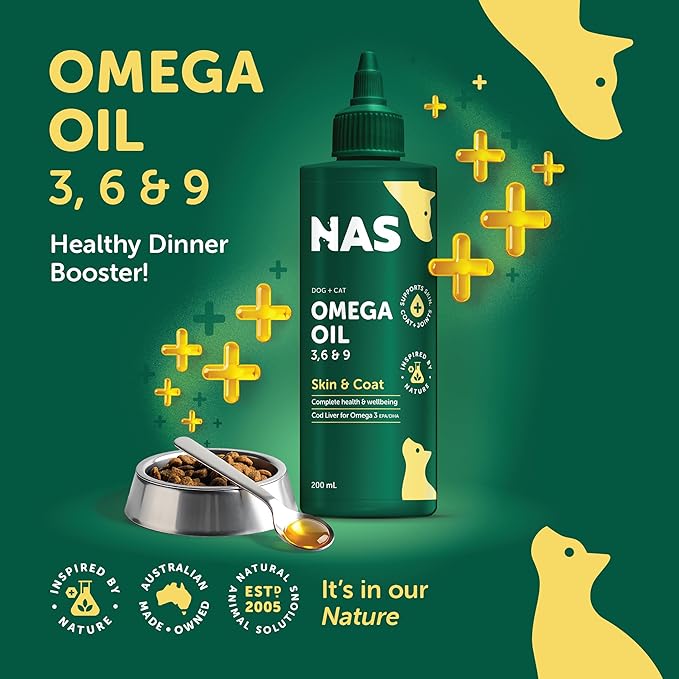
Omega-3 fatty acids are another popular supplement for older cats.
Bronnie’s coat became noticeably duller as he aged, and after discussing it with our vet, we introduced an omega-3 supplement. Over time his coat appeared softer and healthier, and he seemed more comfortable moving around.
Omega-3 fatty acids such as EPA and DHA are commonly used to support:
- skin and coat health
- joint health
- normal inflammatory responses
- general wellbeing in older cats
Fish oil is one of the most common sources of omega-3 for cats.
Choose a product made for pets and ask your vet about an appropriate amount. Giving too much fish oil can sometimes lead to digestive upset.
3. Probiotics for Older Cats
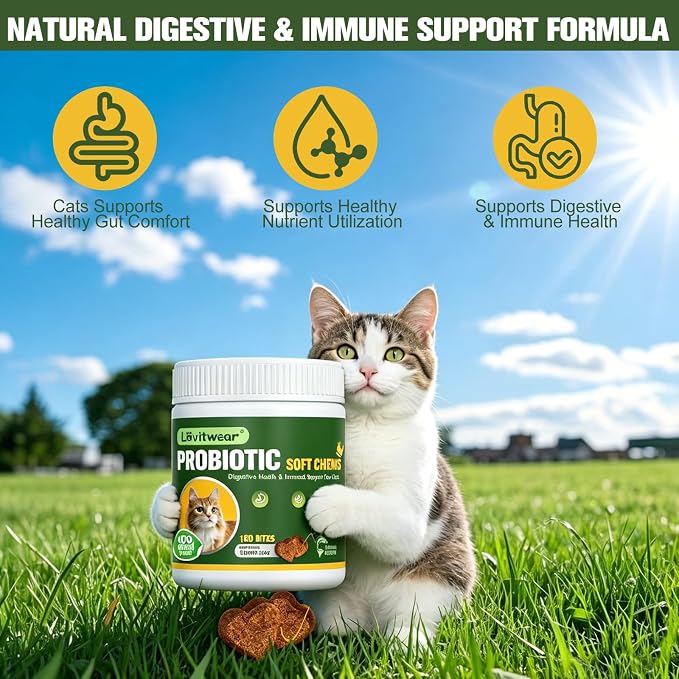
Digestive problems can become more noticeable as cats age.
Miss Holley developed a sensitive stomach in her later years, and probiotics became one of the things we tried as part of her routine.
Probiotics contain beneficial bacteria that help support the digestive system and normal gut health.
They may be worth discussing with your vet if your senior cat experiences occasional digestive upset, changes in stool or has recently taken antibiotics.
Look for a probiotic specifically formulated for cats rather than using a human product.
4. Antioxidants for Senior Cats
Antioxidants help protect cells from oxidative stress, which increases as animals age.
Nutrients such as vitamins E and C are often included in senior-cat foods and supplements.
We included antioxidant-rich nutrition as part of the care we gave Mr Fry, Bronnie and Miss Holley. For us, the goal was never to find a miracle product — it was simply to support them as well as we could during their older years.
If your cat already eats a complete and balanced senior diet, they may already receive adequate vitamins and antioxidants, so check with your vet before adding more.
5. Multivitamins for Older Cats
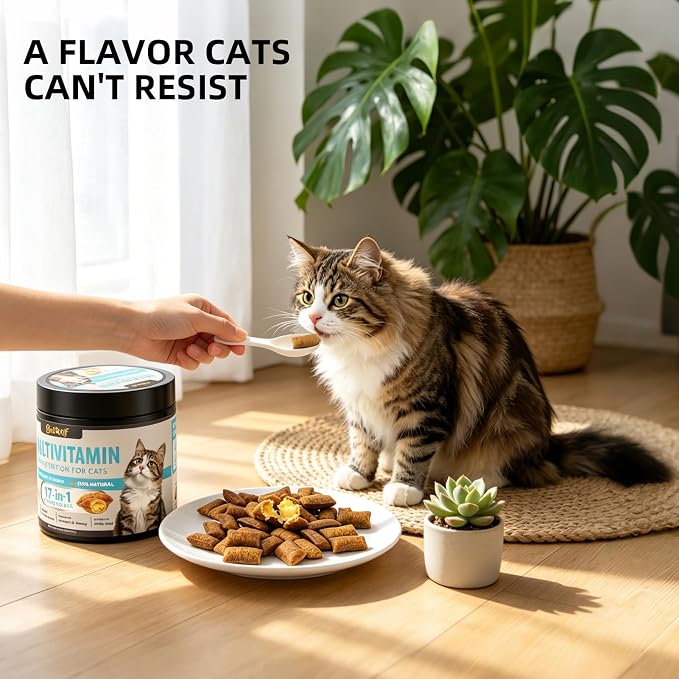
A healthy cat eating a complete commercial diet will often receive most of the vitamins and minerals they need from their food.
However, there are situations where a vet may recommend additional nutritional support.
Senior-cat multivitamins can contain nutrients such as:
- B vitamins
- vitamin E
- taurine
- amino acids
- antioxidants
The important thing is not to assume that more vitamins automatically mean better health.
Cats have very specific nutritional requirements, and excessive amounts of some vitamins can be harmful.
If you are considering a multivitamin, choose one formulated specifically for cats and speak with your vet first.
6. Cognitive and Heart Support

Some older cats begin showing behavioural changes such as confusion, altered sleeping patterns, increased vocalisation or seeming unsure of familiar surroundings.
These changes can have several causes, so a veterinary check-up is important.
Some senior-cat supplements contain antioxidants, omega-3 fatty acids and other nutrients designed to support normal brain function.
Taurine is another important nutrient for cats and plays a vital role in normal heart function. Complete commercial cat foods already contain taurine, so additional supplementation should generally only be used when recommended by a veterinarian.
Does Every Older Cat Need Supplements?
No.
Many senior cats eating a complete, balanced diet may not need additional supplements at all.
Supplements tend to be most useful when they address a specific need identified by you and your vet.
Before buying anything, consider:
- What problem are you trying to help?
- Is your cat already receiving this nutrient from their food?
- Could the supplement interact with medication?
- Is the product specifically designed for cats?
- Has your vet recommended it?
That simple approach can save you money and, more importantly, help you avoid giving your cat something they don’t need.
What We Learned From Our Senior Cats
Caring for Miss Holley, Mr Fry and Bronnie taught us that ageing cats don’t all follow the same path.
Mr Fry needed more help with mobility. Bronnie benefited from extra attention to his coat and general comfort. Miss Holley’s needs were different again.
Supplements were only one small part of their care.
Good food, hydration, regular veterinary checks, comfortable sleeping areas and simply paying attention to changes in behaviour mattered just as much.
If you’re caring for an older cat now, take things one step at a time. Watch your cat closely, talk with your vet and choose products based on what your cat actually needs rather than what a label promises.
Our senior cats give us years of companionship. Helping make those later years comfortable is one of the best things we can give them in return.
This article contains affiliate links. If you purchase through one of these links, My Elderly Cat may earn a small commission at no extra cost to you.
Frequently Asked Questions About Supplements for Older Cats
What are the best supplements for older cats?
The best supplements for older cats depend on the individual cat and their health needs. Common options include omega-3 fatty acids, joint supplements containing glucosamine, probiotics and certain vitamins. It is always best to discuss supplements with your vet before adding them to your cat’s routine.
Do senior cats really need supplements?
Not every senior cat needs supplements. Cats eating a complete and balanced diet may already receive most of the nutrients they need. Supplements are usually more useful when they are chosen to support a specific issue such as joint stiffness, digestive problems or skin and coat health.
What vitamins are good for older cats?
Older cats may benefit from nutrients such as vitamin E, B vitamins, taurine and omega-3 fatty acids, depending on their diet and health. However, giving extra vitamins unnecessarily can sometimes be harmful, so supplements should be chosen carefully.
Are joint supplements safe for senior cats?
Joint supplements made specifically for cats are commonly used to support older cats with stiffness or mobility problems. Ingredients such as glucosamine and chondroitin are often included. Your vet can help you choose an appropriate product and dosage for your cat.
How long do supplements take to work in older cats?
It depends on the supplement and the reason it is being used. Some changes may be noticed within a few weeks, while others may take longer. If you do not notice any benefit, or your cat develops digestive upset or other symptoms, speak with your vet before continuing the supplement.