

Understanding FIP in Cats: Bronnie’s Story

Writing this isn’t easy, but I feel it’s important to share my experience in the hope that it might help someone else. Feline Infectious Peritonitis (FIP) is one of those diagnoses that no cat owner wants to hear. It’s a cruel disease, and it took my beloved Bronnie from me far too soon.
When Bronnie was diagnosed, it felt like the ground had been pulled out from under me. I’d always thought of him as invincible, a strong, quirky boy who brought so much joy to my life. He had always been full of life, but when FIP struck, he began to change. He became lethargic, lost his appetite, and I could see in his eyes that he wasn’t himself.
At first, I didn’t know what was wrong. The symptoms were so vague—he was just “off.” But as the days passed, he started losing weight, and his abdomen became distended. I hoped it was something treatable, but deep down, I feared it was something more serious.
The vet confirmed my worst fears: FIP. I didn’t know much about it at the time, but I quickly learned these important facts:

- FIP is caused by a mutation of feline coronavirus, which is common in cats, especially in multi-cat environments like shelters or breeding facilities. The mutation that causes FIP can occur in any cat, but it most commonly affects young cats under 2 years old and purebred cats.
- FIP cannot spread from cat to cat. While the original coronavirus can pass between cats, the mutated virus that causes FIP is not contagious.
The news hit hard. At the time, treatment options were limited, and FIP was essentially a death sentence. I felt helpless. I wanted so badly to save him, to fight for him, but there wasn’t anything I could do. Watching him struggle was heartbreaking and making the decision to let him go was one of the hardest things I’ve ever done.
The Light in the Darkness
Since Bronnie’s passing, I’ve learned a lot about FIP and how much progress has been made in treating it. Today, there’s real hope for cats diagnosed with this disease, thanks to antiviral treatments like GS-441524 and remdesivir. These treatments have changed everything:
- GS-441524 and remdesivir work by stopping the virus from replicating in the body. Treatment typically lasts 12 weeks and has shown a high success rate, even in severe cases.
- Early diagnosis is key. Cats with FIP can show vague signs at first, such as lethargy, loss of appetite, and weight loss, but these symptoms shouldn’t be ignored.
Hearing the stories of cats that have survived FIP because of these breakthroughs is bittersweet. I’m so happy for those cats and their families, but it also reminds me of what could have been for Bronnie.
FIP in cats: Helpful Resources & Support:
FIP Warriors 5.0 (Global)
Visit FIP Treatment USA
This group has been created to treat cats with the FIP virus, including wet, dry, ocular and neurological form. We offer GS injections and Esperavir capsules. Both are very effective in curing FIP. We currently have them in stock. We are very reasonably priced
FIP Rescue
Visit FIP Rescue Facebook Group
The FIP Rescuers Home was created to bring together cat parents and facilitate efficient collaboration in providing emergency care and treatment. This is a place for our FIP rescuers to document their 84-day treatment journey, including the 84-day observation period after treatment, with the aim of saving more feline lives globally.
FIP Cat Help (Australia)
Visit FIP Cats Australia Association – Help Fight The Fight
A trusted resource in Australia, FIP Cat Help offers advice on navigating treatment options and finding compassionate care. Their site provides essential guidance on accessing GS-441524 and remdesivir legally in Australia.
SOCK FIP (USA)
Visit SOCK FIP
SOCK FIP (Save Our Cats and Kittens from FIP) is a U.S.-based organization dedicated to raising awareness and funding for FIP research. They’re a great source of up-to-date treatment information and ongoing developments in FIP studies.
FIP Paws of Hope Support Network
Visit FIP Paws of Hope
FIP Paws of Hope: Support Network is a support network dedicated to assisting cats and their owners through the journey of Feline Infectious Peritonitis (FIP).
Our mission is to provide access to essential treatments, educational resources, and emotional support to improve the quality of life for cats affected by FIP and to offer hope and assistance to their owners.
Why I Share Bronnie’s Story
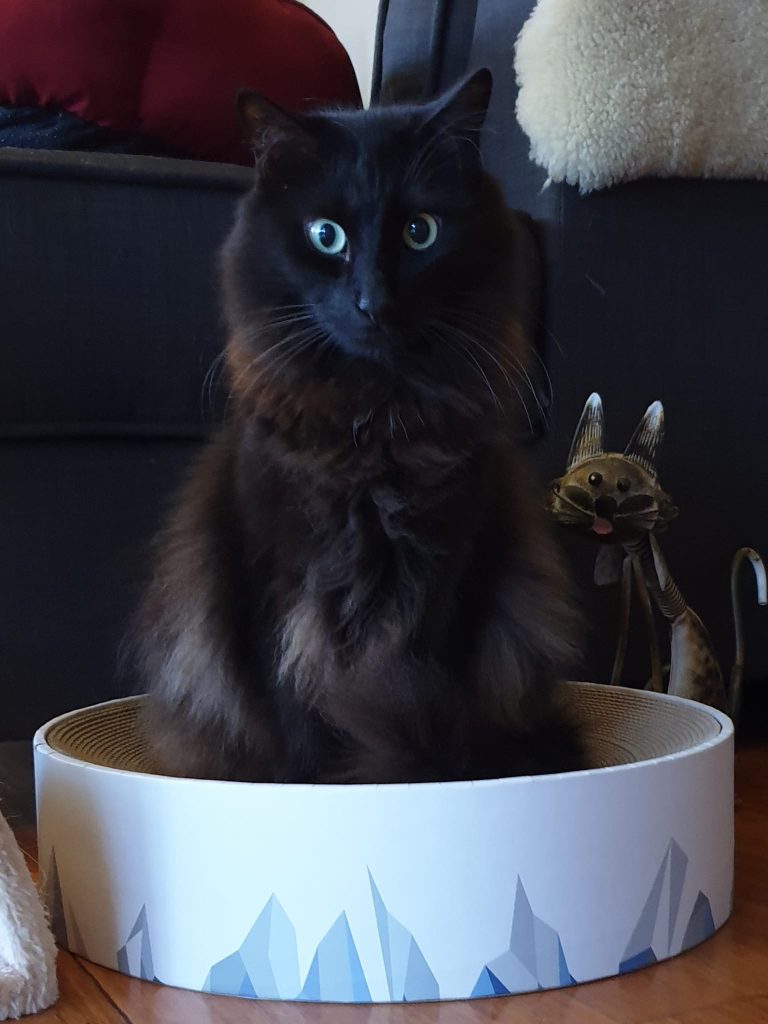
Losing Bronnie to FIP left a hole in my heart, but it also gave me a mission: to raise awareness about this disease and the options that now exist. If you’re a cat owner and your furry friend is diagnosed with FIP, know that there’s hope. The treatments can be expensive and challenging to access in some places, but they are worth exploring.
More importantly, trust your instincts. If your cat seems off—lethargic, losing weight, or just not themselves—don’t wait. Early diagnosis and treatment can make all the difference.
Bronnie may be gone, but his memory lives on in everything I do. I share this story not to dwell on the loss but to honour him by helping others. If I can save even one cat through awareness, then his legacy will be one of hope.
A Final Word
If you’ve been through this or are currently facing an FIP diagnosis with your cat, my heart goes out to you. It’s a tough journey, but you’re not alone. There are incredible communities and resources out there to support you. And remember, no matter how hard it gets, the love you share with your cat is something that no disease can take away.
Bronnie, you’ll always be my boy. Thank you for everything you gave me. I miss you every day. For more articles about Senior Cat Care…head over to our Facebook Group My Elderly Cat Australia ( better yet, join us at the group)


