Supporting Your Senior Cat in Their Final Days

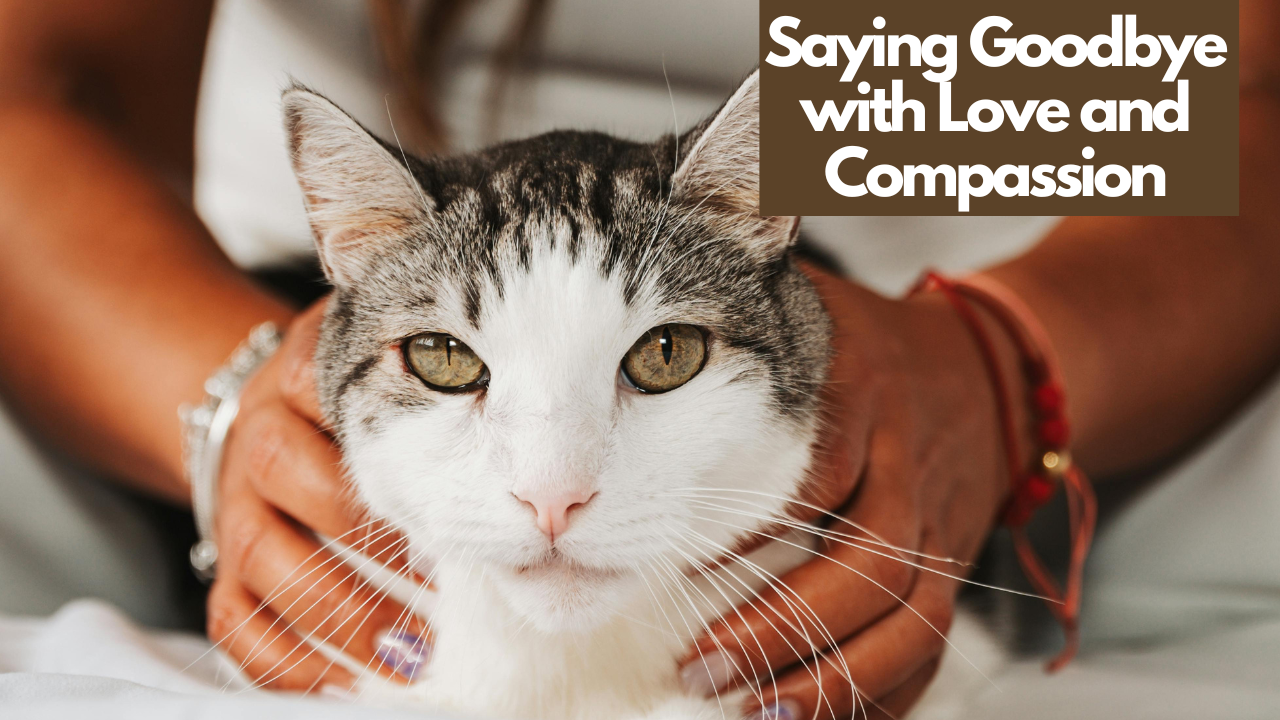
Saying goodbye to a beloved cat is one of the hardest parts of pet ownership. For many of us, our cats are family—they’ve been by our side through good days, tough times, and everything in between. As their final days approach, it’s natural to feel a mix of emotions: grief, fear, guilt, and even gratitude for the years you’ve shared. Embracing compassionate cat farewell care during this time can make a profound difference, ensuring your senior cat experiences peace, comfort, and dignity as they near the end of their journey.
In this guide, we’ll explore practical ways to support your cat, recognize when it might be time to let go, and navigate the emotional journey with love and understanding.
Recognizing When Your Cat Is Near the End
Cats are incredibly stoic creatures, often hiding discomfort until it becomes severe. However, there are signs that your cat may be nearing the end of their journey. These can include:
- Decreased mobility: Struggling to walk, climb, or even move comfortably.
- Loss of appetite and weight: A significant decline in eating or drinking, often accompanied by noticeable weight loss.
- Changes in breathing: Labored or irregular breathing patterns.
- Withdrawal or disinterest: Your cat may spend more time sleeping or hiding, showing less interest in their surroundings or favorite activities.
- Pain and discomfort: Signs of pain, such as vocalizations, restlessness, or sensitivity to touch.
If you’re noticing these changes, consult your veterinarian. They can help assess your cat’s condition, provide options for pain management, and discuss what to expect in the days or weeks ahead.
Creating a Comfortable Environment
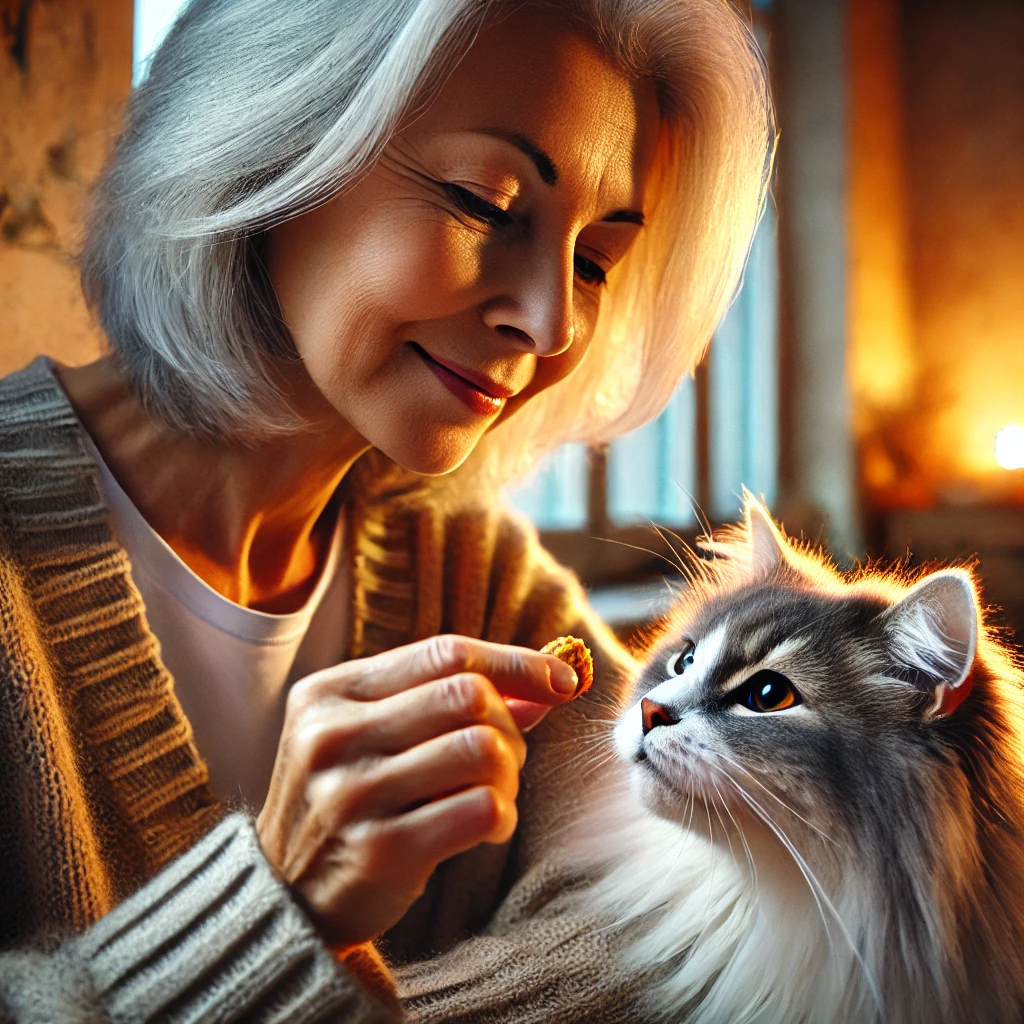
As your cat’s needs change, their environment should adapt to help them feel safe and at ease. Small adjustments can make a big difference:
- Soft bedding: Provide a warm, cushioned spot for resting. Consider orthopedic beds if your cat has arthritis or joint pain.
- Accessible spaces: Keep food, water, and litter trays close by to minimize movement. A low-sided litter box can make things easier.
- Quiet and calm: Reduce noise and activity around your cat. Create a cozy corner where they can rest undisturbed.
- Temperature control: Older cats are more sensitive to temperature changes. Keep their space comfortably warm, especially in cooler months.
Pain Management and Palliative Care
Managing pain is crucial for maintaining your cat’s quality of life. Your vet may recommend:

- Medications: Prescriptions to control pain, inflammation, or discomfort.
- Hydration support: Subcutaneous fluids can help if your cat is no longer drinking enough water.
- Nutritional supplements: Appetite stimulants or nutritional gels can provide extra calories if they’re eating less.
Palliative care is about providing relief and comfort, not curing illness. Regular vet check-ins will help you monitor your cat’s condition and adjust their care plan as needed.
Deciding When It’s Time
One of the most difficult decisions is determining when it’s time to say goodbye. Many pet owners struggle with feelings of doubt and guilt, but remember: letting go is often the kindest act of love we can give.
Consider your cat’s quality of life. Ask yourself:
- Are they still enjoying the things they love?
- Are they eating, drinking, and interacting as they normally would?
- Are they experiencing more bad days than good ones?
Your vet can also guide you through this process, helping you evaluate their comfort and dignity. Many vets use tools like a “quality of life scale” to provide an objective perspective.
Steve’s experience.… Having said goodbye to both Mr Fry and Bronnie I found it gut wrenching to say goodbye. I also felt relief knowing they were no longer suffering. It was my turn to suffer.
Preparing for Euthanasia

When the time comes, euthanasia can provide a peaceful and painless transition for your cat. While it’s a deeply emotional decision, planning ahead can help make the experience less stressful for both of you.
Be present if you can: While it’s a personal choice, many owners find it comforting to be there with their cat, offering love and reassurance until the very end.
At-home vs. clinic: Some vets offer in-home euthanasia, allowing your cat to pass in the comfort of familiar surroundings.
Include comforting items: Bring your cat’s favourite blanket, toy, or bed to provide comfort during the procedure.
Honouring Your Cat’s Memory

After saying goodbye, it’s natural to feel a profound sense of loss. Honoring your cat’s memory can be a healing part of the grieving process.
- Create a memorial: Plant a tree, create a photo album, or dedicate a special space in your home to your cat.
- Pawprints or keepsakes: Many vets offer pawprint moulds or fur clippings as keepsakes.
- Donate in their name: Support a local rescue or feline health initiative, like research on feline infectious peritonitis (FIP), in honour of your cat.
- We cremated Mr Fry and Bronnie as well as buying a number of keepsakes.
Every goodbye is unique, so do what feels meaningful and comforting for you.
Coping with Grief.
Grief is a natural response to loss, and everyone processes it differently. Allow yourself to feel the full range of emotions—sadness, anger, even relief—and remember, there’s no “right” way to grieve.
Here are some ways to support your healing:
- Reach out for support: Talk to friends, family, or online communities who understand the bond between pets and their humans.
- Consider a grief counselor: Pet loss counselors can provide tools to navigate this unique type of grief.
- Write or create: Journaling about your memories or creating art in your cat’s honor can be therapeutic.
If you’ve recently said goodbye to your cat, know that you’re not alone. We’ve experienced this pain too, having lost our beloved Mr. Fry and Bronnie. While their absence is felt every day, the love they brought into our lives will never fade. This is the reason we created www.myelderlycat.com …to give back to the cat community in honour of Mr Fry, Miss Holley and Bronnie.
A Final Note on Compassionate Cat Farewell Care
Saying goodbye is never easy, but it’s also a profound act of love. It’s about putting your cat’s needs first and ensuring their final days are filled with comfort, peace, and the knowledge that they were cherished.
As you navigate this journey, be kind to yourself. Take it one day at a time, and remember the incredible bond you shared with your cat. They knew they were loved—and in the end, that’s what matters most.