
Understanding Arthritis in Cats
Arthritis, or osteoarthritis, is a degenerative joint condition that affects cats as they age. It involves the breakdown of cartilage, leading to inflammation, stiffness, and pain in the joints.
Recognizing the 7 early signs of arthritis in senior cats is crucial, as they are masters at hiding discomfort. While it’s more common in older cats, arthritis can occur at any age due to injury or genetics. By staying vigilant for subtle changes, you can help ensure your cat’s comfort and well-being.
Tips for Recognizing Stiffness or Discomfort in Your Older Cat
As our feline friends age, they bring so much love, wisdom, and charm into our lives. But along with those golden years often come challenges like arthritis. It’s a common condition in senior cats that can sneak up slowly, making it easy to miss until your cat starts struggling. Recognizing the early signs of arthritis is key to keeping your cat comfortable and mobile, giving them the best quality of life. Drawing from my own experiences with my beloved senior cats—Miss Holley, Mr. Fry, and Bronnie—let’s explore how to spot the signs and help your cat thrive.
7 Early Signs of Arthritis in Senior Cats
Each of my cats taught me unique lessons about spotting arthritis early, often through their subtle behaviours. Here’s what to look for:
1. Changes in Mobility
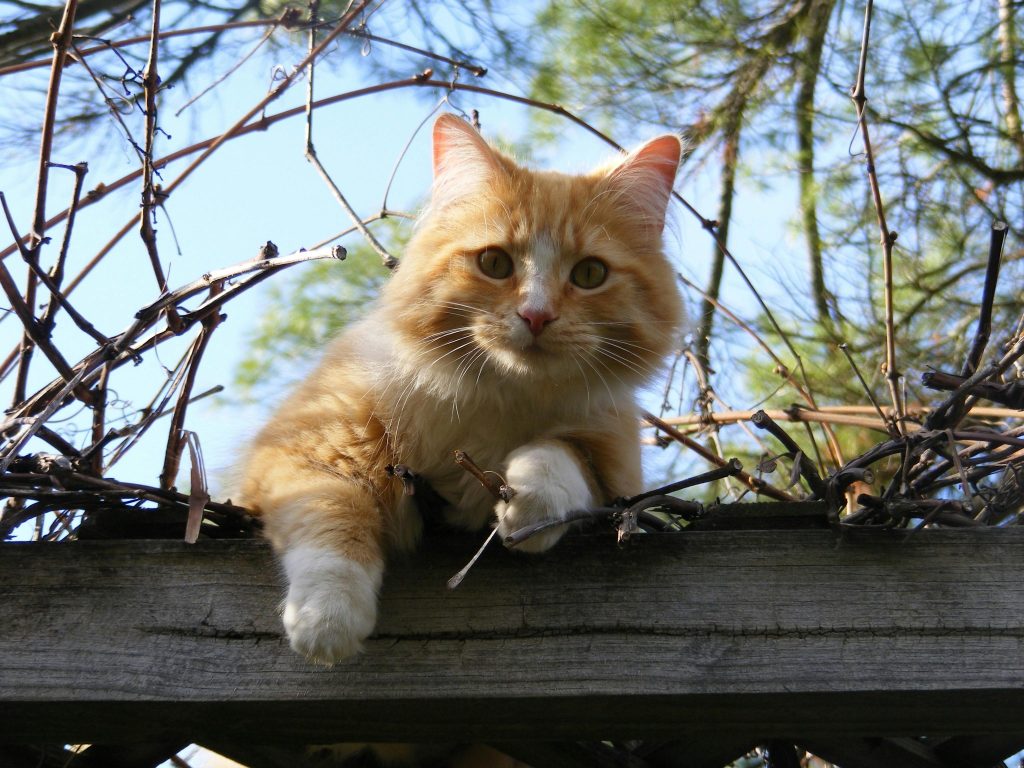
- Decreased Jumping Ability: Mr. Fry loved sunbathing on the highest spot of the cat tree. When he started hesitating or avoiding it altogether, I knew something was up. Cats with arthritis may stop jumping as high or avoid jumping entirely.
- Slower Movements: If your cat moves more cautiously, avoids running, or struggles to climb stairs, it might be due to joint pain.
2. Stiffness After Rest
- Just like humans, cats with arthritis often appear stiff when getting up after a nap. Bronnie would stretch more frequently after sleeping, which was his way of easing into movement. Watch for stiffness, especially in the morning.
3. Changes in Grooming Habits
- Cats with arthritis may struggle to groom themselves because it’s painful to twist or stretch. Miss Holley, who always prided herself on her shiny coat, started showing signs of matted fur near her back and hips. This was one of the earliest signs of her arthritis.
4. Altered Litter Box Habits
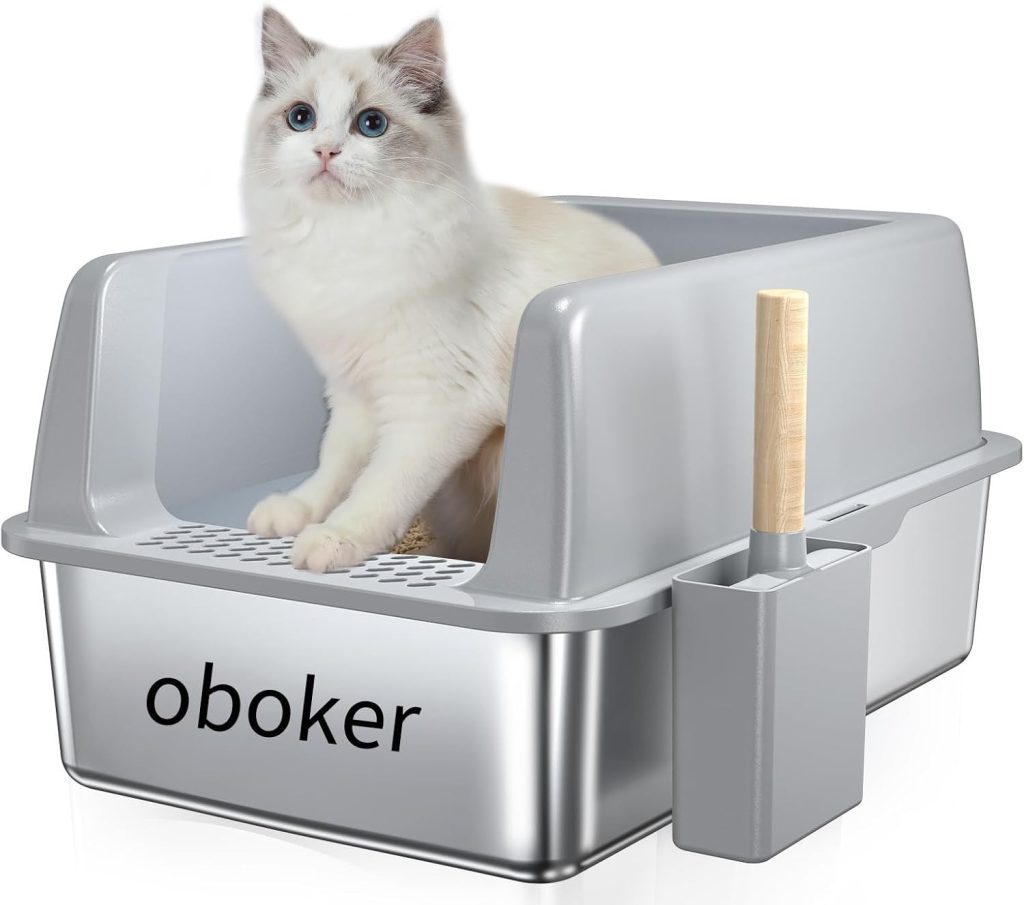
- If your cat suddenly starts missing the litter box, arthritis might be to blame. High-sided cat litter boxes or those with hard-to-reach entrances can become challenging for an older cat to use.
5. Irritability or Aggression
- Cats in pain may become cranky or lash out when touched near sore joints. Bronnie, who was always the sweetest, would swat when I accidentally brushed against her hips. It was her way of saying, “That hurts!”
6. Behavioural Changes
- You might notice your cat becoming less social, spending more time alone, or avoiding favorite spots. Arthritis pain can lead to mood changes, making your cat seem withdrawn or sad.
7. Subtle Limping
- Limping isn’t always obvious in cats, but you might notice an uneven gait or reluctance to put weight on a particular leg.
How to Confirm Arthritis in Your Cat
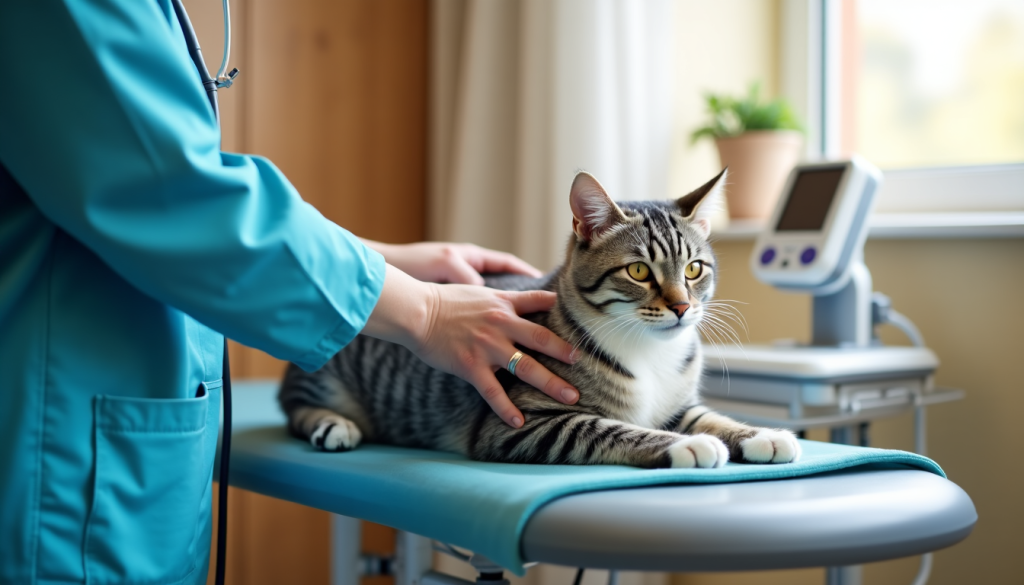
If you suspect arthritis, the best step is a visit to your veterinarian. They can perform a physical exam, ask about your cat’s behaviors, and may recommend X-rays to confirm arthritis. Diagnosing it early can make a big difference in your cat’s comfort and mobility.
Helping Your Cat Stay Comfortable and Mobile
Once arthritis is identified, there are plenty of ways to help your cat live a happy, active life. Here are strategies that worked wonders for Miss Holley, Mr. Fry, and Bronnie:
1. Make Your Home Arthritis-Friendly
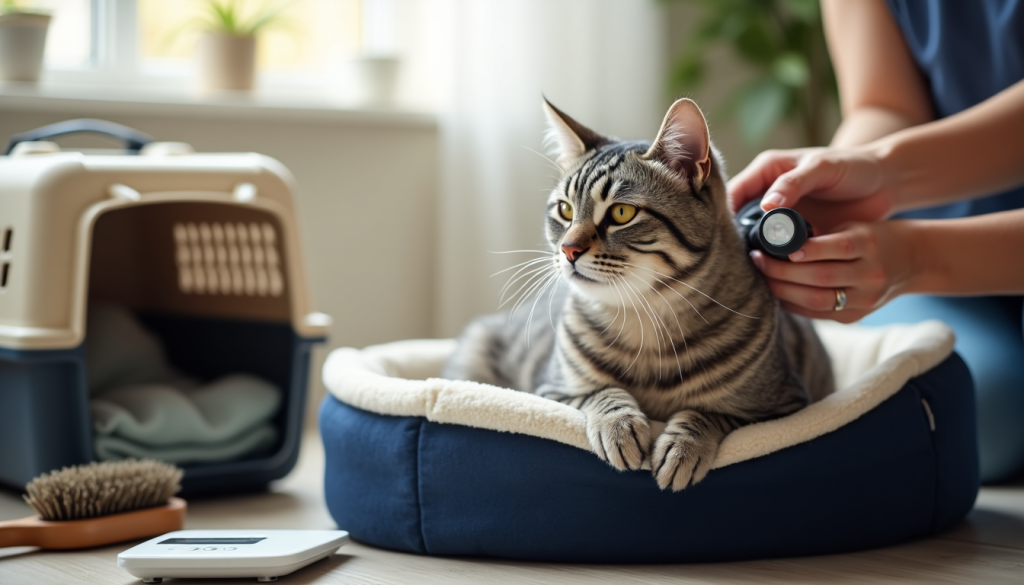
- Provide Low-Impact Alternatives: When jumping became tough for Mr. Fry, I added steps and ramps to help him access his favourite spots.
- Offer Accessible Litter Boxes: Choose a low-sided box or a top-entry design that’s easy for your cat to enter and exit.
- Soft Bedding: A plush, orthopaedic cat bed can provide much-needed joint support. Bronnie loved her heated bed, especially during chilly winter nights.
2. Keep Them Moving
- While rest is essential, gentle exercise helps maintain muscle strength and joint flexibility. Use interactive toys to encourage movement without overexerting your cat. Miss Holley loved feather toys that didn’t require her to leap but still kept her engaged.
3. Manage Their Weight
- Extra weight puts more stress on joints, worsening arthritis pain. Work with your vet to ensure your cat is at a healthy weight through portion control and proper nutrition.

4. Offer Joint Supplements
- Glucosamine and chondroitin supplements can help support joint health. I started giving these to Miss Holley early on, and they seemed to slow the progression of her arthritis. Always consult your vet before starting any supplement.
5. Provide Pain Relief
- If your cat’s arthritis is advanced, your vet may recommend medications like non-steroidal anti-inflammatory drugs (NSAIDs) or other pain relievers. These were a game-changer for Bronnie in her later years. Never give human pain medications to cats—they can be toxic.
6. Physical Therapy and Massage
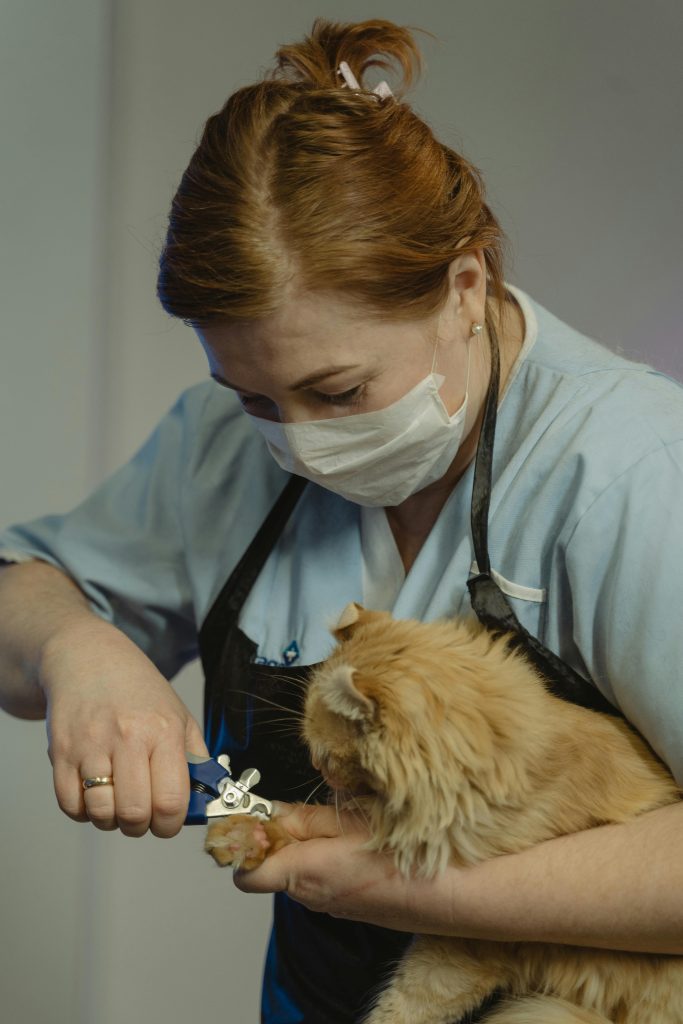
- Gentle massage can help relieve tension around sore joints. You can also explore professional cat physical therapy or acupuncture to manage pain.
7. Environmental Adjustments
- Keep their favourite spots warm and cozy. Arthritis can feel worse in cold weather, so heated pads or blankets are a great addition.
8. Regular Vet Checkups
- Routine vet visits ensure you’re staying ahead of arthritis progression. Your vet might adjust treatment plans as your cat’s needs change.

Personal Stories: Lessons from My Cats
Miss Holley: The Early Detector
Miss Holley was a graceful soul who valued her grooming routine. When she stopped keeping her fur spotless, it was my first clue that arthritis was setting in. Early intervention with joint supplements and environmental adjustments made a huge difference in her mobility.
Mr. Fry: The High Jumper Turned Ground Dweller
Mr. Fry loved perching on high surfaces to watch the world go by. When he started avoiding his favorite spots, I realized his joints were bothering him. Adding ramps and heated bedding kept him comfortable without taking away his independence.
Bronnie: The Sweet Fighter
Bronnie’s arthritis hit hard and fast, and he became more irritable as the pain progressed. Pain management through vet-prescribed medication gave him relief, and he returned to his loving, gentle self. Watching him reclaim his joy was worth every effort.
Emotional Support for Your Senior Cat
Dealing with arthritis isn’t just about physical changes; it’s also about emotional well-being. Spend extra time with your cat, offering love and comfort. Groom them gently if they struggle to do it themselves, and create positive moments with play and cuddles.
Senior cats hold a special place in our hearts, and their golden years can still be full of happiness and connection. Recognizing arthritis early and taking action can make all the difference.

Wrapping Up
Arthritis in senior cats is a common challenge, but it’s one we can manage with the right knowledge and care. By staying vigilant for the early signs—like changes in mobility, grooming habits, and behavior—you can help your cat enjoy a life filled with comfort and love.
Every cat is unique, and what worked for Miss Holley, Mr. Fry, and Bronnie might differ slightly for your feline friend. The key is to be attentive, adapt your home to their needs, and partner with your vet to provide the best care possible.
With patience and love, your senior cat can continue to purr their way through their golden years with dignity and grace. 💖


