

Essential Tips for Keeping Your Feline Comfortable and Safe
In the first part of this series, we covered the basics of keeping your senior cat cool and comfortable during summer. Now, let’s dive deeper into more advanced tips and strategies. From managing diets to avoiding common hazards, these suggestions will ensure your elderly feline enjoys the summer season safely.

As the temperature rises, summer heat preparation for cats ensures my senior cats remain cool and comfortable is a top priority. In this part of the series, I’ll share advanced tips to help your elderly feline enjoy the summer season safely. From managing diets to avoiding common hazards, these strategies can make a significant difference in their well-being.
I’ve learned that outdoor time can pose risks for older cats. It’s essential to limit their exposure to the heat, opting for cooler hours for outdoor adventures. Setting up shaded areas and ensuring they have fresh water nearby can help keep them comfortable as they bask in the sun.
Diet adjustments play a crucial role during the hotter months. I focus on wet food to increase their hydration and offer cool treats to entice their appetite. Watching my cats enjoy frozen snacks was a reminder of how simple changes can enhance their summer experience.
Safe Outdoor Time
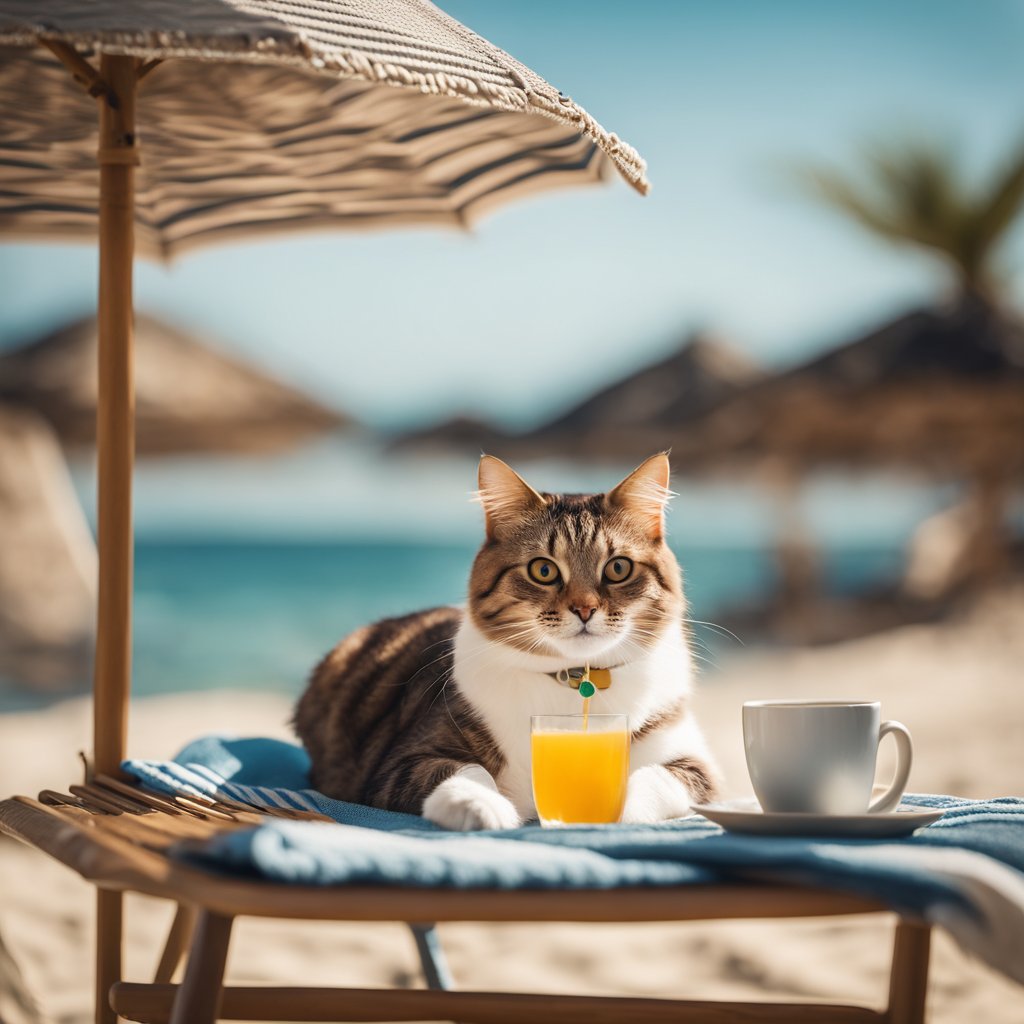
When allowing my senior cat outside, I focused on creating a comfortable environment. I always limited outdoor time to early mornings or late evenings to avoid the heat. Providing shaded areas is essential; I used umbrellas or shaded tarps to ensure my cat could lounge comfortably without overheating.

Access to fresh water is a must. I set up multiple water bowls for my cats outside, ensuring that my cats stayed hydrated. I also kept a close eye on her to ensure she doesn’t spend too long in the sun. Regular grooming during summer helps remove excess fur and keeps her cool.
Proper summer care for senior cats makes a significant difference in their comfort and well-being. It’s important to ensure they have a safe outdoor experience and that any health issues for senior cats are effectively managed during the warmer months.
I used to let Miss Holley wander around our backyard in the early evening. I’d set up a shaded corner with her water bowl and favourite cushion. She loved the fresh air but always kept to the cool spots.
Summer Heat Preparation for Cats With Senior Health Issues

Cat hydration is especially important during summer, particularly for senior cats with kidney or heart issues. I make sure to monitor their water intake closely and consult my vet if necessary.
For cats with arthritis, I provide soft, cool bedding to ease discomfort. This includes placing cooling gel mats in spots where they like to rest. If my cat struggles with weight, I consult my vet for tailored nutrition tips and develop a light exercise routine to help keep her active without overexerting her.
I remember Bronnie, who had arthritis, used to avoid hard surfaces in the heat. A cooling gel mat placed inside his favourite cat bed gave him relief, and he slept much more comfortably.
Dietary Adjustments for the Heat
Keeping my senior cats healthy during hot weather involves making some dietary changes. I focus on hydration, cool treats, and portion control to ensure my felines stayed comfortable and well-nourished throughout the summer months.
Ensuring Hydration Through Diet
Hydration is essential for senior cats, especially when temperatures rise. I always make sure my cats have access to fresh water, but I also look for ways to increase moisture in their diet.
Wet food is an excellent choice as it contains a higher moisture content. I prefer high-quality cat food labelled as wet or canned options.
To further boost hydration, I sometimes add a splash of water or low-sodium broth to their meals. This enhances flavour while increasing their moisture intake. It’s crucial for my cat’s health, particularly if they have any pre-existing conditions.

Introducing Cool Treats
Offering chilled treats can be a fun way to keep my cat cool and engaged. I often opt for frozen snacks specifically designed for cats.

Some popular options include:
- Frozen tuna water cubes: I save tuna water, pour it into ice cube trays, then freeze.
- Chilled lickable treats: These can be kept in the fridge, providing a refreshing snack.
These treats not only entice my cats to stay hydrated but also add variety to their diet. I find that these cool options are perfect for warm afternoons and can bring a smile to their faces.
Mr. Fry loved frozen tuna water treats during summer. Watching him lick away at the ice cube was both adorable and a reminder of how little things can make a big difference.
Optimising Meal Portions
Adjusting meal portions can help address a decrease in appetite during the heat. Serving smaller, more frequent meals keeps my cat interested in food without overwhelming her.
I typically provide:
- Two to three small meals per day instead of one or two larger ones.
- Balanced meals that include high-quality ingredients to ensure she still receives the necessary nutrients.
This method not only helps with her hydration but also keeps her energy levels stable. Being attentive to her needs makes a difference, allowing her to enjoy summer safely.
Danger Availment in Senior Cat Surroundings
I always start by evaluating the environment for potential dangers. Common hazards include:
- Toxic plants: I ensure that all houseplants are safe for pets. Plants like lilies can be extremely harmful.
- Small objects: I remove any small items that could be ingested.
- Hot surfaces: I keep my cats away from radiators and heated floors.
Additionally, I pay attention to the litter box. A clean litter box is crucial, as senior cats may be more particular about hygiene. I monitor it frequently and keep it accessible with low sides for easy entry.
Health Maintenance and Precautions
Maintaining your senior cat’s health is crucial, especially during the warmer months. Regular check-ups and preventative measures can help keep them comfortable and safe.
Routinely Monitoring Feline Health

I kept a close eye on my cat’s behaviour and physical appearance. Changes in appetite, grooming habits, or litter box usage can signal health issues. I took note of any unusual symptoms, like excessive sleeping or weight loss.
Regularly checking their weight is also important. I used a pet scale at home or during vet visits. This helps me track any concerning changes.
Key checks:
- Coat condition: A dull or patchy coat may indicate senior cat health problems.
- Eyes and ears: Look for discharge or signs of infection.
- Mobility: Watch for limping or reluctance to jump.
If I noticed anything unusual, I reached out to my vet promptly. Prompt attention can prevent minor issues from becoming serious.
The Responsible Cat Ownership Guide
Being a responsible cat owner involves more than just providing food and shelter. It encompasses understanding your furry friend’s needs, ensuring their safety, and maintaining their health throughout their lives.

Conclusion
Summer doesn’t have to be stressful for your senior cat. With safe outdoor practices, tailored diets, and awareness of seasonal hazards, you can help your feline companion enjoy the warmer months comfortably. These advanced tips complement the basic care strategies from Part 1, giving you everything you need to make this summer a breeze for your elderly cat.
Whether it’s setting up shaded outdoor spots or preparing frozen treats, small changes can make a big difference in your cat’s happiness and health. Have any summer tips for senior cats? Share them in the comments—I’d love to hear what’s worked for you!


