Creating Comfort Zones Throughout Your Home
Hi there, Steve here! Caring for senior cats has become a personal mission of mine, inspired by years of sharing life with some amazing feline companions. As our furry friends age, their needs change, and one of the best things we can do for them is create a cozy environment for your senior cat. A few thoughtful adjustments in their surroundings can make a world of difference to their comfort and well-being.
I’ve spent plenty of time helping senior cats adjust, and along the way, I’ve learned some handy tips that I’m excited to share with you. Let’s dive into how to create a space where your golden-aged cat can truly thrive!
Did you know that more than 50% of cats aged 15 and older show signs of age-related discomfort in their living environments? It makes sense when you think about it—those stairs that were once no problem might now seem like mountains, and favourite sun-soaked perches might be just out of reach.
When my own cats started slowing down, I realized it wasn’t just about giving them a comfy bed—it was about rethinking the way they interacted with their entire home.
So let’s talk about how we can make some practical, cat-approved tweaks to your space.
Creating a comfortable environment for your old cat starts with understanding their changing needs. As your feline friend ages, they’ll spend more time resting and require specially designed spaces throughout your home.
Setting Up Strategic Resting Spots
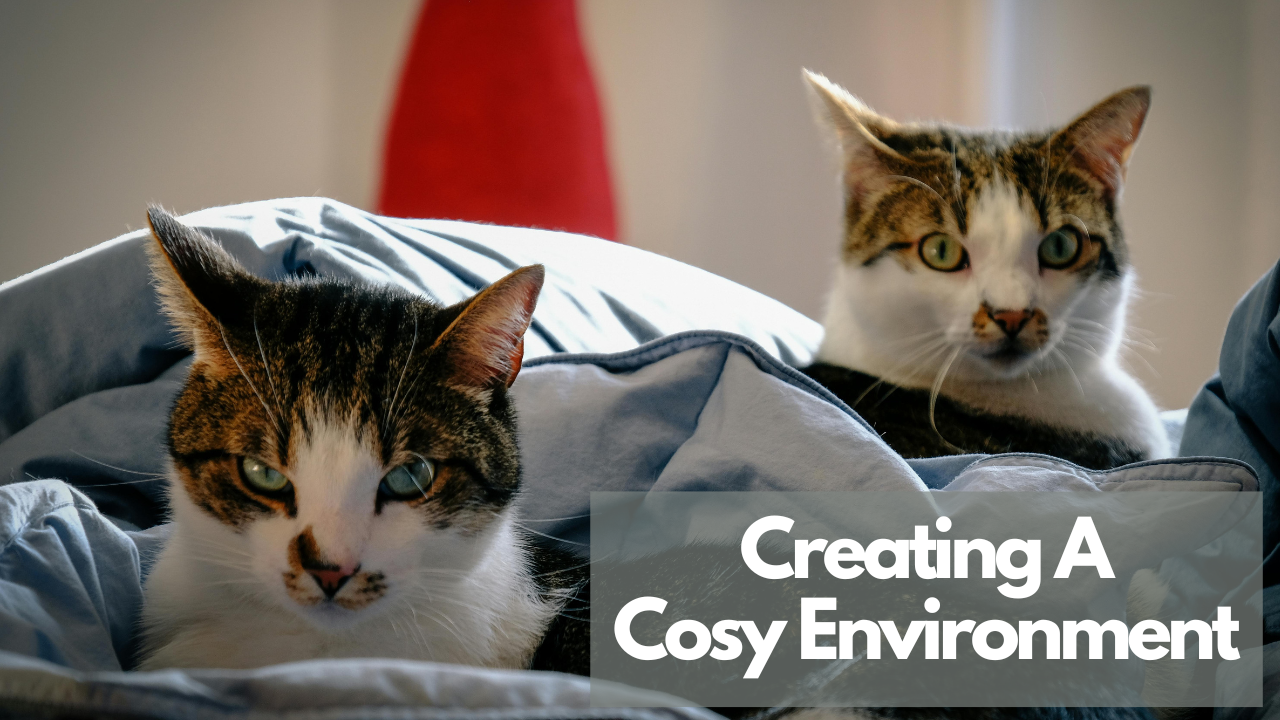
Older cats spend even more time napping (if you can believe it), so providing them with multiple cozy resting spots is essential. Here’s what worked wonders for my senior cats:
- Orthopedic Beds: Memory foam cat beds are perfect for easing joint discomfort. My old girl Miss Holley loved hers—it was her throne!
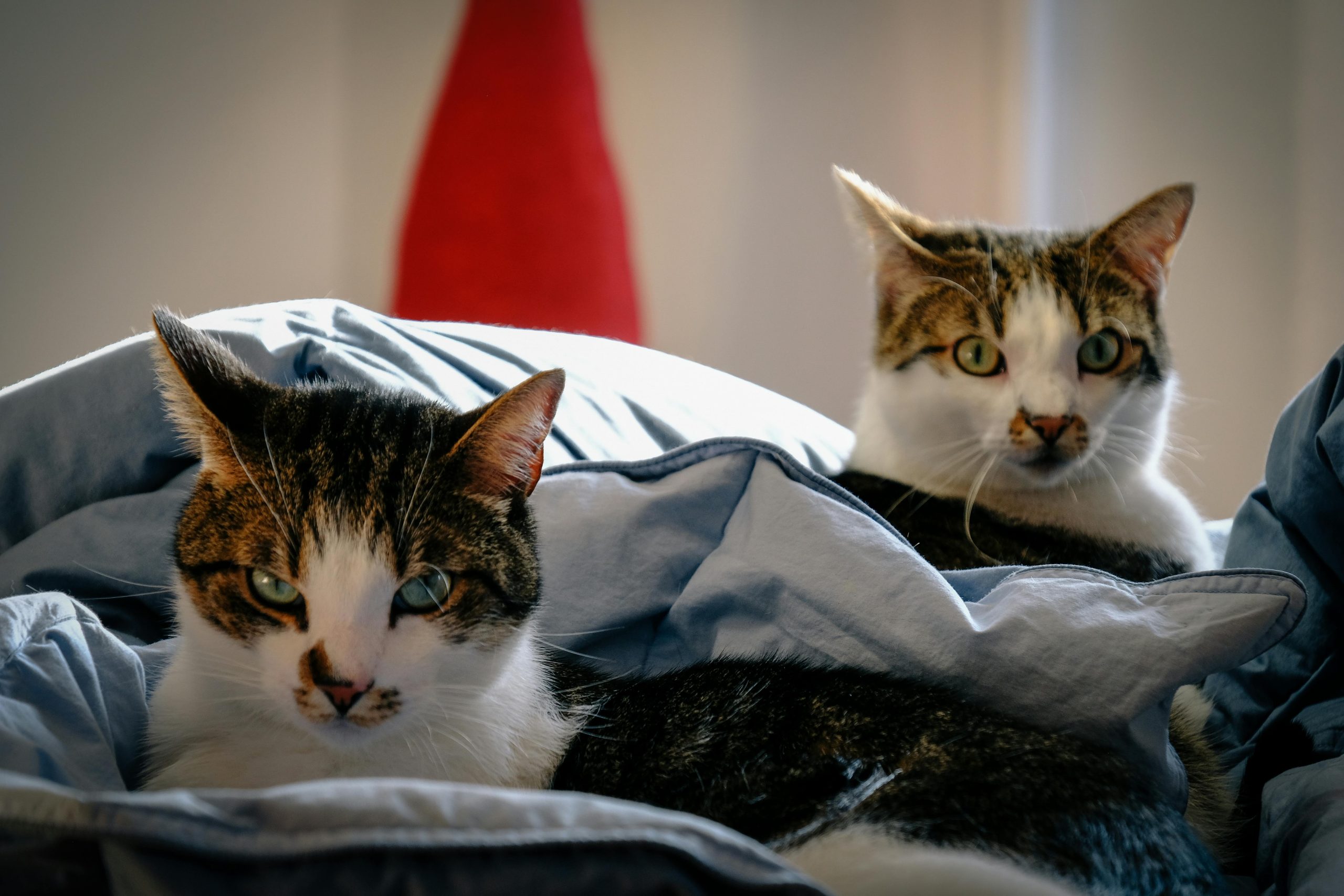
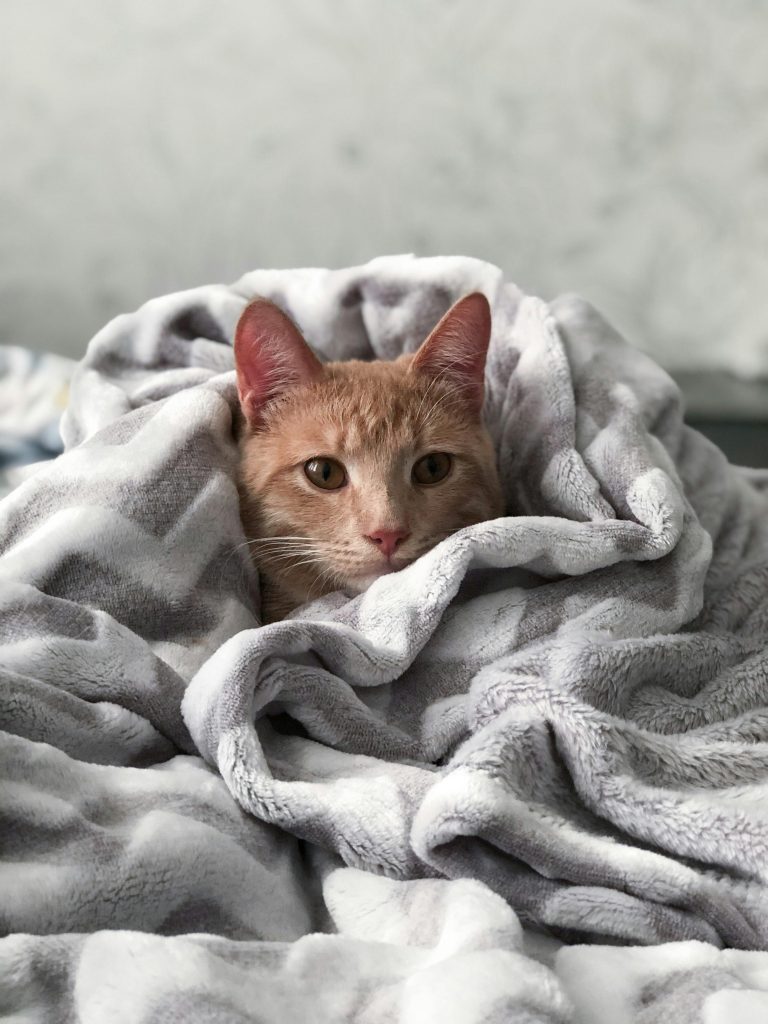
- Soft Blankets: Layer blankets in their favourite spots for extra warmth. A quiet corner became a sanctuary for my boy Max when he started feeling his age.
- Enclosed Beds: Cats love feeling secure, especially when they’re not as spry as they used to be. I added a cute enclosed bed in our living room, and it quickly became a hit.
Remember to place these spots in areas away from foot traffic and loud appliances. Consistency is key, too—senior cats prefer familiar, predictable places.
Climate Control: Keeping Them Warm and Cozy
Older cats are more sensitive to temperature changes, and I’ve found this especially true during the cooler months here in Western Australia. Here’s what helped:
- Pet-Safe Heating Pads: Placed under their bedding, these pads made chilly evenings a lot more comfortable.
- Draft-Free Zones: Ensure beds aren’t near windows or doors with drafts. A simple repositioning of a favourite bed can make all the difference.
- Extra Blankets: On particularly cold nights, I’d toss in an extra blanket or two for my senior cats—they loved burrowing into them.
Accessible Spaces: Making Their World Reachable
Watching your senior cat struggle to reach their favourite perch can be heartbreaking. My solution? Simple ramps and steps!
Carpeted Steps: For Mr Fry, I placed a series of steps by his favourite chair. He was so proud of himself the first time he used them!
Ramps: Add ramps with a gentle incline to help them access elevated spots. I used one to make our bay window accessible again.
Steve’s tip: Create a dedicated “sanctuary room” where your old cat can retreat when feeling overwhelmed. This space should be equipped with all necessities and maintain consistent light and sound levels throughout the day.
Non-Slip Flooring: Safer Strolls Around the House
Older cats can have a tough time with slippery floors. I tackled this by adding:
- Carpet Runners: These were lifesavers in the hallway. Not only did they help with traction, but they also created clear paths for Max to navigate.
- Rubber Mats: These work great around feeding and litter box stations for extra stability.
Resource Placement: Easy Access is Everything
Aging cats need easy access to essentials like food, water, and litter boxes. Here’s how I streamlined things for my cats:
Quiet Locations: Keeping these stations away from noisy appliances like washing machines helped reduce stress.
Elevated Bowls: Raising their cat bowls to about 5-6 inches off the ground made eating and drinking much more comfortable.
Multiple Stations: I added feeding and litter box setups on every floor to save them unnecessary trips up and down stairs.
Steve’s tip: For window perches and favourite high spots, consider installing a series of shallow steps rather than steep ramps
Sensory Enrichment: Keeping Their Minds Active
Even if your senior cat spends most of their time napping, they still need mental stimulation. For my cats, these ideas were a hit:
Safe Scents: Placing fresh catnip or silver vine in small sachets around the house kept them curious and engaged.
Window Perches: I installed a perch near a window overlooking our garden. Adding a bird feeder outside was the cherry on top!
Gentle Sounds: Soft classical music or nature sounds worked wonders during stormy nights when my cats were feeling anxious.
Social Spaces: Quality Time Together
Senior cats still crave your company but might need spaces that offer comfort and security during bonding moments. For Luna, I created a little “snuggle corner” in my home office with a plush bed and a few of her favourite toys. It became her go-to spot whenever I was working.
For multi-level homes, ensure each floor has its own complete set of resources. This prevents your old cat from having to navigate stairs unnecessarily when they need essential items.
Remember to maintain clear pathways between all resource stations, removing any obstacles that might impede your cat’s movement. This thoughtful organization helps maintain their independence while ensuring their comfort and safety.
Optimizing Daily Care Stations
Daily care routines become increasingly important as your cat ages, requiring thoughtful setup of essential care stations throughout your home. Let’s explore how to optimize these crucial areas for your old cat’s comfort and well-being.
Elevated Feeding Areas
Proper feeding station setup can significantly improve your senior cat’s digestion and reduce joint strain. Position food and water bowls at elbow height (approximately 5-6 inches off the ground) to allow for a more natural eating posture. Here’s what makes an ideal feeding station:
- Sturdy elevated platform or specialized raised bowls
- Non-slip mat underneath to prevent sliding
- Multiple water stations throughout the house
- Fresh, clean water available 24/7
- Separate feeding zones if you have multiple cats
Senior-Friendly Litter Box Setup
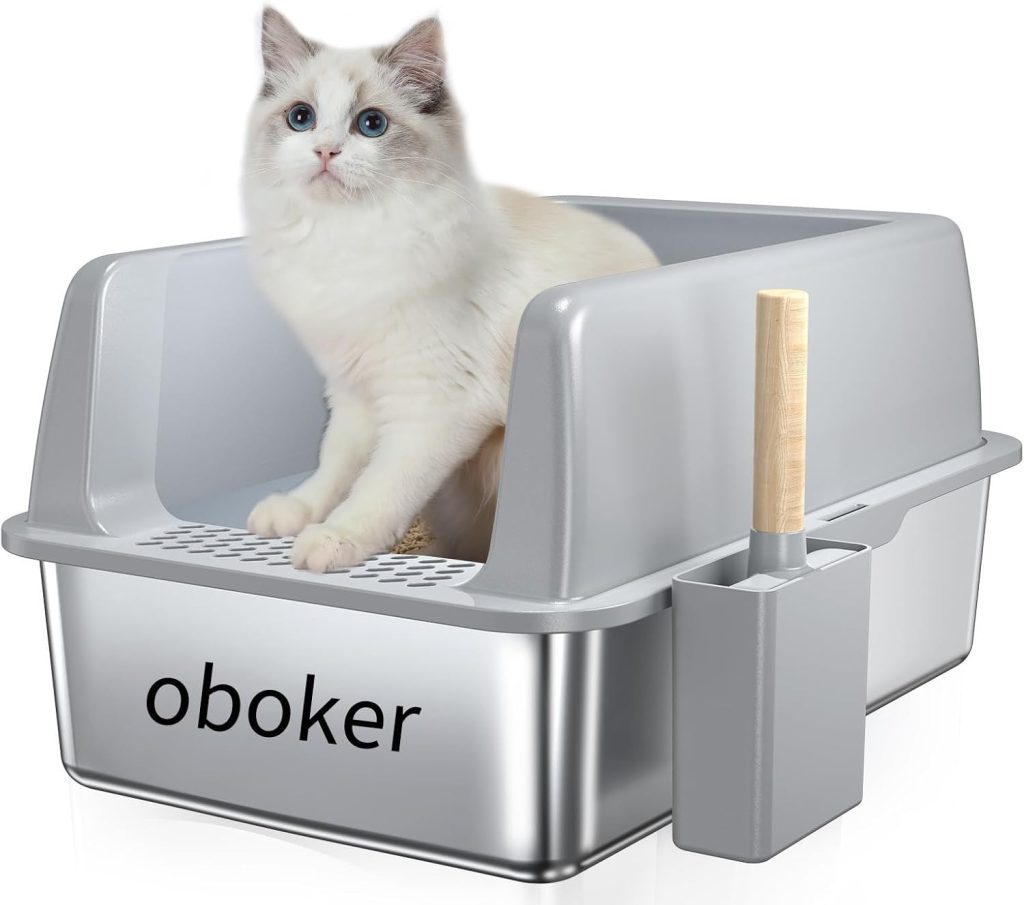
Your old cat needs easy access to their litter facilities. Create a comfortable setup with these modifications:
- Choose boxes with low entrance points (2-3 inches maximum)
- Place boxes on every floor of your home
- Ensure good lighting and quiet surroundings
- Maintain shallow litter depth (about 2 inches)
- Position away from feeding areas but within easy reach
Important: Keep litter boxes in consistent locations to help cats with declining memory or vision.
Safe Outdoor Viewing Areas
Transform your windows into entertainment zones for your old cat by creating engaging viewing stations. Position a sturdy, padded perch near windows with interesting outdoor views. Install bird feeders or create a butterfly garden within sight to provide natural entertainment. For added excitement, consider:
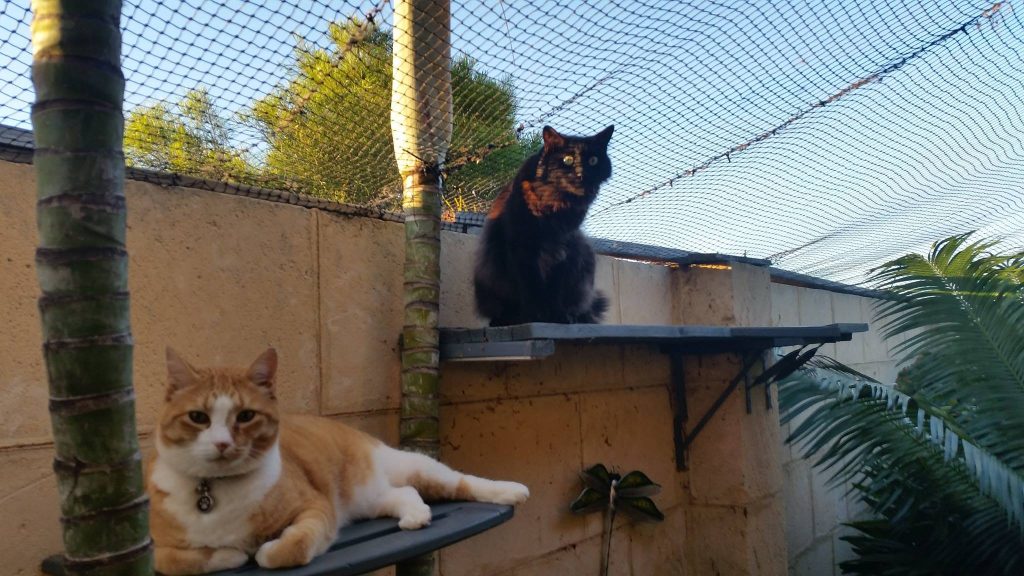
- Setting up window-mounted bird feeders
- Creating butterfly-friendly garden spaces
- Installing window hammocks with secure supports
- Maintaining clear sightlines to outdoor activity
- Adding stable platforms for comfortable viewing
Maintaining Physical and Mental Stimulation
While comfort and accessibility are crucial for your old cat, maintaining an active lifestyle is equally important for their overall well-being. Let’s explore how to create engaging spaces that encourage both physical and mental activity while respecting their limitations.
Low-Impact Play Areas
Create designated play zones that allow your old cat to stay active without straining their joints. Focus on horizontal rather than vertical play spaces, using appropriate toys that encourage gentle movement:
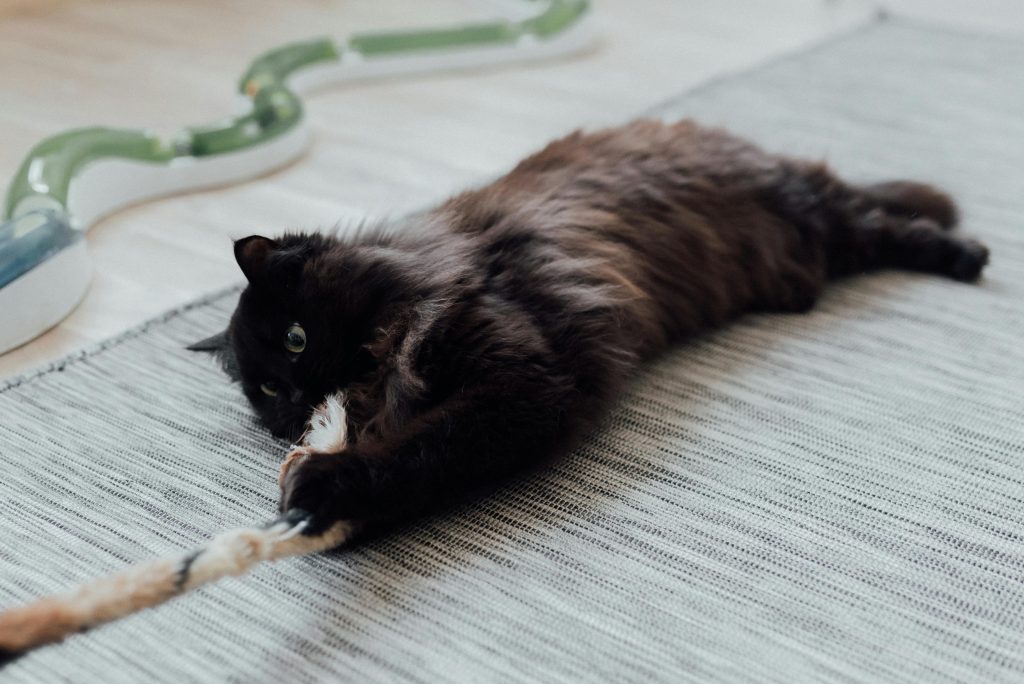
- Soft fabric mice for batting and chasing
- Feather wands for controlled play sessions
- Lightweight balls with bells
- Crinkle toys for sensory engagement
- Ground-level puzzle toys
Remember to schedule short, gentle play sessions throughout the day rather than one long session. Keep play sessions between 5-10 minutes to prevent exhaustion.
My Final Thoughts
Transforming your home for a senior cat doesn’t have to be overwhelming. With just a few thoughtful adjustments, you can create a safe, cozy, and stimulating environment that meets their changing needs. Watching my own cats enjoy their golden years with comfort and dignity has been one of the most rewarding parts of being their human.
Remember, every cat is unique—observe your furry friend and let them guide you in creating their perfect space. With a bit of effort and a whole lot of love, your senior cat can continue to live a happy, fulfilling life.
What changes have you made for your aging feline? I’d love to hear your ideas and experiences! Let’s share tips and help more cats enjoy their golden years together.