Why Regular Vet Visits Matter for Senior Cats:
As someone who has walked the journey of senior cat care with my own beloved felines, Mr. Fry and Bronnie, I understand how daunting vet visits can feel. Both of my cats had unique health challenges in their golden years, and the process of navigating their care taught me a lot about what to expect—and how to make those visits as smooth as possible for both you and your cat.
If you’re wondering how to prepare for a senior cat vet check, I’ll share insights from my personal experiences to guide you through the process. Let’s dive into what happens during a senior cat vet visit and how to make it easier for you and your feline friend.
Understanding Senior Cat Health Screenings
Senior cats often face health challenges that aren’t immediately obvious. Cats are masters at masking pain or discomfort, so conditions like arthritis, kidney disease, or dental problems can develop without obvious symptoms.
When Mr Fry started drinking more water than usual, I initially brushed it off as a quirk. But a routine vet visit revealed he had early-stage kidney disease—a diagnosis that allowed us to start supportive care and give him several more happy years. This experience reminded me that regular check-ups can uncover issues you might not notice at home.
Most vets recommend check-ups every six months for senior cats (usually from age 7 onward). Cats with ongoing health issues may need more frequent visits, but these regular appointments can catch problems early and help manage chronic conditions.
What Happens During a Senior Cat Vet Visit
Here’s what you can expect, based on my experiences with Mr. Fry and Bronnie.
1. A Chat About Your Cat’s History
Your vet will start by asking about any changes in your cat’s behavior or health. They’ll want to know:
- Eating and drinking habits.
- Changes in litter box use.
- Activity levels and mobility.
- Signs of discomfort, like hiding or vocalizing more.
When Bronnie started losing weight despite a healthy appetite, this detail was key in diagnosing hyperthyroidism. Writing down observations before the appointment can help you remember everything you want to discuss.
2. The Physical Examination
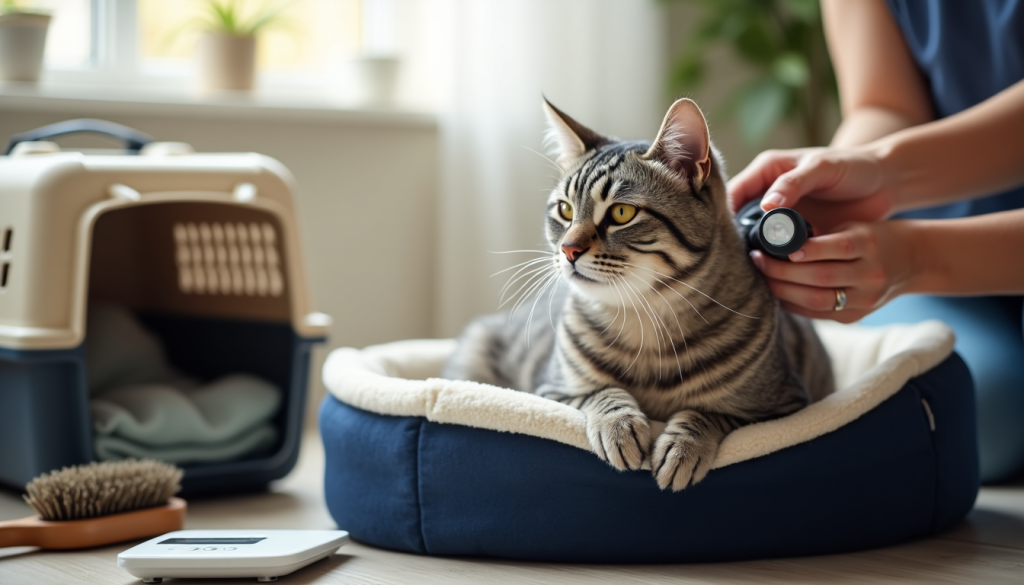
A hands-on exam is the next step. The vet will check your cat from head to tail, focusing on:
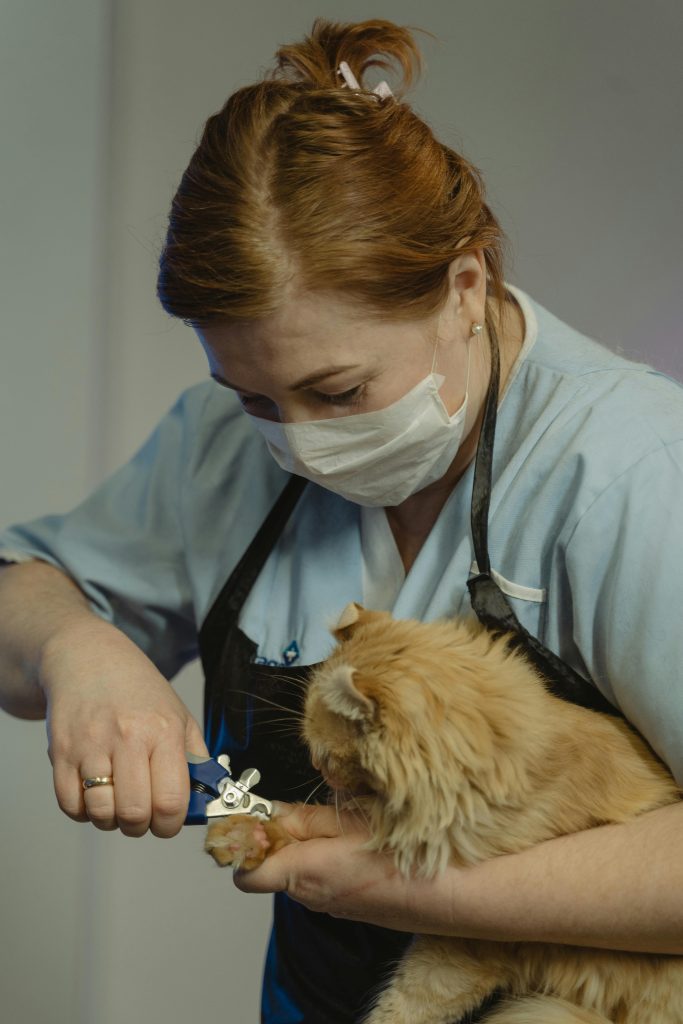
- Eyes and ears: Checking for signs of cataracts, infections, or other age-related issues.
- Mouth and teeth: Dental disease is a common culprit in senior cats, as I learned with Mr. Fry when his eating slowed down. A thorough dental exam revealed he needed some tooth extractions, which improved his comfort and appetite.
- Heart and lungs: Listening for murmurs or irregularities.
- Joints: Feeling for stiffness or pain, which could indicate arthritis.
- Body condition: Monitoring weight and muscle mass.
3. Diagnostic Tests
Senior cat check-ups often include routine diagnostic tests to identify underlying conditions.
Bloodwork
This is a big one. A blood test provides a snapshot of your cat’s overall health. It can detect:
- Kidney and liver function.
- Thyroid hormone levels.
- Blood sugar (diabetes screening).
- Infections or anemia.
When Bronnie’s bloodwork flagged early kidney disease, we were able to start her on a prescription diet and hydration therapy, which made a huge difference in her quality of life.
Urinalysis
Urine tests go hand-in-hand with bloodwork to detect kidney disease, urinary tract infections, or diabetes. For Mr. Fry, it was a urinalysis that confirmed the early stages of diabetes, allowing us to adjust his care plan right away.
Blood Pressure Check
High blood pressure (hypertension) is common in senior cats and can lead to serious complications like blindness or heart disease. Checking this regularly is vital.
Weight Monitoring
Unexplained weight loss is a common red flag. With Bronnie, tracking her weight over time was critical in managing her kidney disease and later-stage hyperthyroidism.
How to Prepare for a Senior Cat Vet Check
Let’s face it—getting a cat to the vet can be stressful for everyone involved. Here are some tips, based on lessons I learned (sometimes the hard way) with my own cats.
1. Make the Carrier a Safe Space
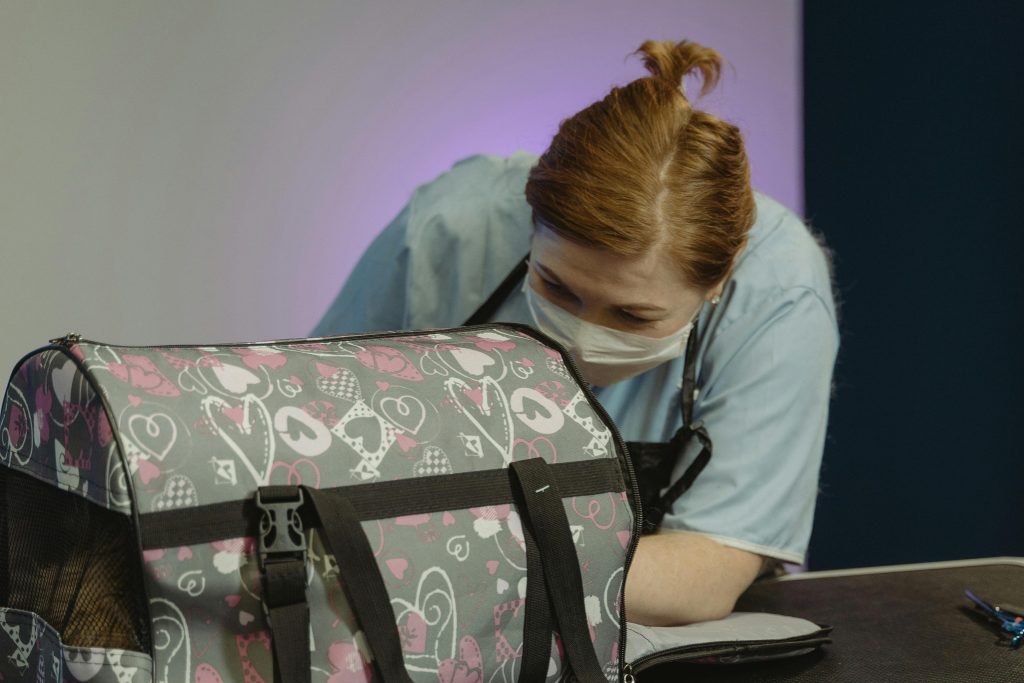
Mr. Fry had a love-hate relationship with his cat carrier. I started leaving it out a few days before appointments, lining it with one of his favourite blankets and spraying it with Feliway to help him relax. By the time we were ready to leave, he was much calmer.
2. Bring Comfort Items
A familiar blanket or toy can work wonders in helping your cat feel secure. Bronnie had a small stuffed mouse that always came with us to vet visits—it seemed to soothe her nerves.
3. Practice Handling
If your cat isn’t a fan of being touched, spend time gently handling them at home. Getting them used to having their paws, belly, and face touched can make vet exams less stressful.
4. Write Down Concerns
When I noticed Bronnie’s weight loss, I wrote down every little thing I’d observed—how often he drank water, how much he ate, and even changes in his coat quality. Having these details ready made it easier for the vet to pinpoint potential issues.
Talking to Your VetYour vet is your partner in caring for your cat. Open communication is key to making the most of the visit.
1. Don’t Hold Back
If something feels “off,” trust your instincts. I remember mentioning Bronnie’s increased thirst almost as an afterthought, but it turned out to be the first sign of kidney disease.

2. Ask Questions
When Mr. Fry was diagnosed with diabetes, I felt overwhelmed at first. Asking my vet to break down his treatment plan step by step helped me feel more confident.
3. Take Notes
It’s easy to forget details after the appointment. Jotting down what the vet says can help you follow through with any treatments or lifestyle changes.
After the Visit: Staying on Top of Care
Once the appointment is over, the real work begins. Here’s how I stayed organized with Bronnie and Mr. Fry’s care:
- Follow Instructions: Whether it’s medications, a new diet, or scheduling follow-ups, sticking to the plan is crucial.
- Monitor Symptoms: Keep an eye on any changes and don’t hesitate to reach out to your vet if something seems off.
- Build a Routine: Regular hydration treatments for Bronnie became part of our daily routine, and she adjusted surprisingly well once it became predictable.
Making the Vet Visit Less Stressful
Cats are creatures of habit, and anything that disrupts their routine can feel like a disaster. Here’s how to make the experience as smooth as possible:
- Stay Calm: Cats pick up on your energy, so try to stay relaxed. I’d often play soothing music during the car ride to keep both myself and my cats calm.
- Reward Your Cat: Treats and praise go a long way. After every visit, Mr. Fry would get his favorite tuna treat—a little gesture that made the ordeal more bearable for him.
- Choose a Cat-Friendly Vet: Some clinics specialize in low-stress handling for cats. It’s worth seeking out a vet who understands the unique needs of senior cats.
My Final Thoughts…
Caring for a senior cat is a journey filled with love, challenges, and special moments. Regular vet visits are an essential part of that journey, helping you catch potential issues early and give your cat the best quality of life possible.
From managing Bronnie’s kidney disease to helping Mr. Fry live comfortably with diabetes, I’ve learned that being proactive and working closely with your vet can make all the difference.
So, pack that carrier, jot down your concerns, and head to the vet with confidence. Your senior cat may not say thank you outright, but the contented purrs and slow blinks will speak volumes.
For more tips and advice on senior cat care, visit MyElderlyCat.com. You’re not alone on this journey—we’re here to help you and your feline companion every step of the way.