
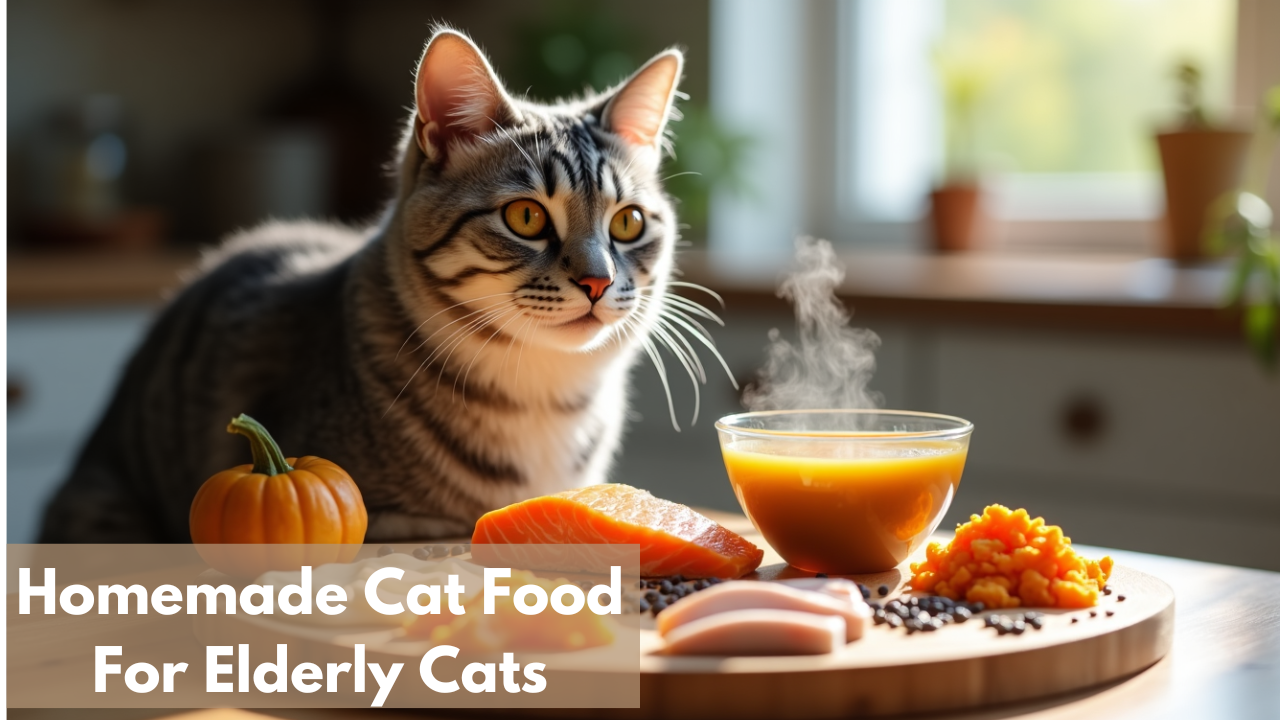
More than half of cats aged 11-14 struggle with dietary challenges that can impact their health and happiness. Yep, those adorable senior fluffballs have specific nutritional needs that commercial cat food often doesn’t quite meet.
So, what’s the solution? Homemade cat food for senior cats! By making meals yourself, you control exactly what goes into your senior cat’s bowl, tailoring their diet to meet their changing needs. Whether they’re dealing with kidney issues, dental problems, or just slowing down a little, homemade food can be a game-changer for their health and well-being.
Ready to learn how to prepare nutritious meals for your senior cat? Let’s explore everything you need to know about making safe, healthy homemade cat food that your aging feline will love.
Why Switch to Homemade Cat Food for Senior Cats?
First off, it’s not just about tossing together meat and veggies. Our senior cats have unique needs, and their meals should reflect that. For example, as they age, their digestive systems work less efficiently. Many seniors need highly digestible nutrients and even a few extra calories just to maintain a healthy weight. Add to that some common challenges like reduced kidney function or joint discomfort, and it’s clear: a carefully crafted diet can make all the difference.
Age-Related Changes in Digestion
As cats enter their senior years (11+ years), their digestive system becomes less efficient. Studies show that approximately 33% of senior cats experience reduced fat digestibility, while 20% have decreased protein absorption capabilities. This decline in digestive efficiency means that senior cats often need more calories to maintain a healthy weight, despite being less active than their younger counterparts.
Essential Nutrients for Aging Cats
Creating nutritious homemade cat food for seniors requires attention to specific nutrients that support their changing bodies. Key nutritional components include:
- High-Quality Protein: Essential for maintaining muscle mass and body condition
- Digestible Fats: Important for energy and nutrient absorption
- Antioxidants: Including vitamins C and E for immune system support
- Omega-3 Fatty Acids: Beneficial for joint health and digestive function
- Adequate Moisture: Critical for kidney function and overall hydration
Common Health Concerns to Address
When preparing homemade senior cat food recipes, it’s important to consider common age-related health issues that proper nutrition can help manage:
| Health Concern | Nutritional Consideration |
|---|---|
| Kidney Disease | Controlled phosphorus levels |
| Dental Issues | Soft, easily chewable textures |
| Joint Problems | EPA/DHA fatty acids |
| Digestive Sensitivity | Highly digestible ingredients |
The key to successful homemade cat food for seniors lies in regular monitoring and adjustment. Since cats often begin showing age-related changes between 7-10 years, it’s essential to adapt their diet progressively as they age. Regular veterinary check-ups can help identify specific nutritional needs based on your cat’s individual health status and age-related conditions.
Selecting the Right Ingredients
Creating nutritious homemade cat food starts with selecting the right ingredients that meet your senior cat’s specific dietary needs. Let’s explore the essential components that should go into your senior cat’s homemade meals.
Best Protein Sources for Senior Cats
Protein quality becomes increasingly crucial as cats age. A highly digestible protein source should always be the primary ingredient in your homemade cat food. Here’s what research shows works best:
| Protein Source | Benefits for Senior Cats |
|---|---|
| Chicken | Highly digestible, lean protein |
| Eggs | Exceptional biological value |
| Turkey | Easy to digest, low-fat option |
| Fish (occasional) | Rich in omega-3 fatty acids |
Beneficial Supplements and Additives
Let’s talk ingredients! The star of any good senior cat meal is protein. Think lean, digestible options like chicken, turkey, or the occasional fish (bonus: omega-3s!). Add to that some senior-friendly supplements, like:
- Omega-3 Fatty Acids: Support joint and skin health
- Probiotics: Enhance digestive health
- Taurine: Essential for heart and eye health
- Vitamin E: Strengthens natural defences
- Glucosamine: Promotes joint health in aging cats
Foods to Avoid
When preparing homemade cat food for your senior feline, certain ingredients can be harmful and should never be included:
But remember—skip ingredients like onions, garlic, chocolate, or high-sodium stuff. These can harm your cat, so let’s stick to safe, wholesome foods.
- Toxic Foods:
- Onions and garlic (can cause anaemia)
- Raw eggs or meat (risk of bacteria)
- Chocolate and caffeine
- Grapes and raisins
- Problematic Ingredients:
- High-sodium additives
- Excessive phosphorus (especially for cats with kidney issues)
- Poor quality protein sources
- Foods with artificial preservatives
Remember that senior cats often have diminished smell and taste sensitivity, so serving food at room temperature can help stimulate their appetite. Always store homemade cat food properly in airtight containers to maintain freshness and nutritional value.
Storage Solutions
Proper storage ensures your homemade cat food remains safe and nutritious. The most effective storage methods include:
For Frozen Storage:
- Use airtight containers or freezer bags
- Store portions in single-serving sizes
- Label containers with preparation date
- Keep frozen food at 0°F or below
- Use within 3-4 months for best quality
For Refrigerated Storage: Store thawed portions in sealed containers and use within 2-3 days. Consider using silicone moulds or ice cube trays for convenient portion sizing. This method allows you to thaw only what’s needed, maintaining freshness and reducing waste.
Remember to clean all storage containers thoroughly between uses and regularly check freezer temperature to maintain food safety. When thawing, always do so in the refrigerator, never at room temperature.
Step-by-Step Cooking Process
Let’s transform those carefully selected ingredients into nutritious meals for your senior cat. Following these precise steps will ensure your homemade cat food maintains its nutritional value while being safe and appetizing for your aging feline.
Soft Protein Recipe Method
- Pour 1½ cups of water into your cooking pot
- Add ground meat (2 pounds) to the water
- Cook on medium heat for 5-7 minutes until meat turns brown
- Important: Avoid overcooking as this can destroy essential nutrients
- Stir occasionally to ensure even cooking
Adding Supplements Correctly
Creating a supplement slurry ensures proper distribution throughout the food:
| Supplement | When to Add |
|---|---|
| Taurine | After cooling to room temperature |
| Vitamin B-complex | Mix with cooled meat |
| Fish Oil | Final mixing stage |
| Vitamin E | With other supplements |
Key Tips for Supplement Addition:
- Dissolve supplements in 2-3 tablespoons of water first
- Mix thoroughly to ensure even distribution
- Add supplements only after the meat has cooled
- Follow exact measurements provided by your veterinarian
Proper Cooling and Portioning
Once your mixture is complete:
- Cooling Process:
- Allow food to cool completely to room temperature
- Never rush cooling with ice or cold water
- Maximum cooling time: 30 minutes
- Portioning Guidelines:
- Divide into ½ to ¾ cup daily servings
- Store 1-2 days’ worth in the refrigerator
- Freeze remaining portions
- Label containers with preparation date
Storage Duration:
- Refrigerated portions: Use within 2-3 days
- Frozen portions: Best used within 3-4 months
- Thaw frozen portions in refrigerator overnight
Remember to remove uneaten food within 30 minutes and avoid microwaving on a regular basis. For senior cats with dental issues, ensure the food is at room temperature before serving to enhance palatability and comfort during eating.
Transitioning to Homemade Food
Transitioning your senior cat to homemade food requires patience and careful observation. Success lies in making the switch gradually while monitoring your cat’s response to ensure optimal nutrition and acceptance.
Gradual Introduction Schedule
The transition to homemade cat food should occur over an extended period, typically 30-40 days for senior cats. Follow this proven schedule for the best results:
| Timeline | Food Ratio |
|---|---|
| Days 1-7 | 75% current food + 25% homemade |
| Days 8-14 | 50% current food + 50% homemade |
| Days 15-21 | 25% current food + 75% homemade |
| Days 22-30 | 90% homemade + 10% current food |
| Days 31-40 | 100% homemade |
Important: Serve food at room temperature, as seniors are particularly sensitive to temperature extremes. Keep some of their previous food available in case adjustments are needed.
Monitoring Health Changes
During the transition period, carefully observe these key indicators:
- Appetite and food acceptance
- Stool quality and consistency
- Energy levels and behavior
- Weight maintenance
- Coat condition and shine
- Hydration levels
Schedule veterinary check-ups every 2-3 months during the first year of homemade feeding. Your vet can help identify and address any nutritional gaps or concerns early in the transition.
Adjusting Portions
Fine-tuning portions is crucial for maintaining your senior cat’s health during the transition. Start with the recommended serving size, then adjust based on:
Daily Monitoring:
- Food consumption patterns
- Activity levels
- Weight changes
- Signs of hunger or fullness
If your cat shows reluctance to eat the new food, try warming it slightly or adding small amounts of their favorite flavoring. Never force the transition – some cats may need up to 40 days to fully accept the new diet.
Remember that cats with nausea may develop food aversions that can last up to 40 days. If your cat shows any signs of illness during the transition, consult your veterinarian immediately and consider slowing down the introduction of homemade food.
Final Thoughts..
Taking the time to make homemade food for your senior cat isn’t just about meeting their dietary needs—it’s an act of love. Each meal is a step toward giving your furry friend a healthier, happier life in their golden years. And hey, if you ever need tips or advice, you know where to find me!
Making homemade food for senior cats requires dedication, but the benefits to your aging companion’s health make it worthwhile. Proper ingredient selection, careful preparation, and safe cooking methods create nutritious meals that address your cat’s changing needs.
Success depends on patience during the transition period and careful attention to your cat’s response. Regular monitoring of health indicators, combined with appropriate portion adjustments, helps ensure your senior cat receives optimal nutrition from their new diet.
Remember that each senior cat is unique, and their dietary needs may change over time. Regular veterinary check-ups, consistent food safety practices, and careful observation of your cat’s health will help you maintain an effective homemade feeding program that supports their wellbeing throughout their golden years.


