
Navigating Health Challenges in Senior Cats
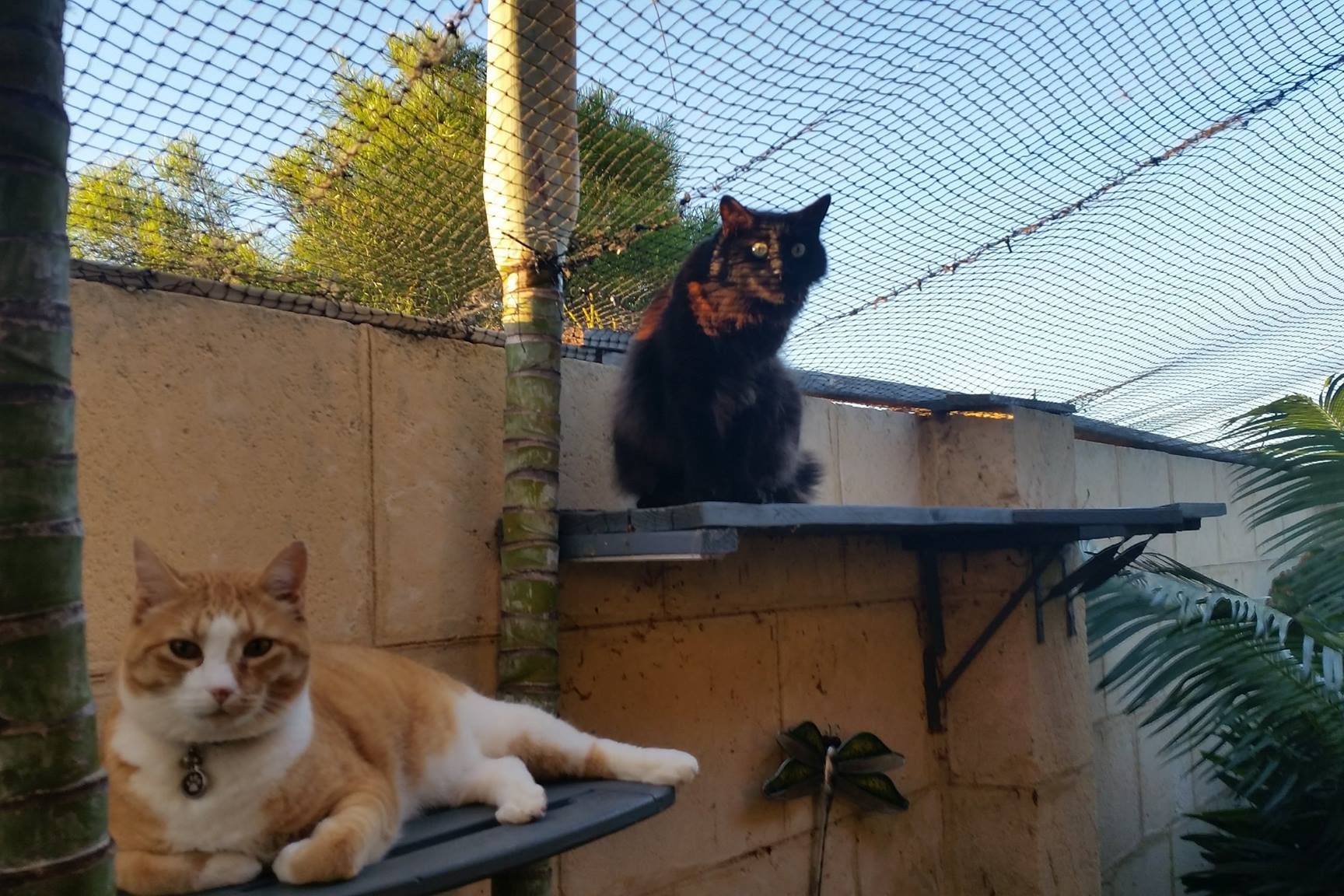
As someone deeply committed to senior cat care, I’ve come to understand the joys and challenges of addressing health concerns for older cats. Each stage of life brings unique needs, and as our feline friends enter their golden years, they rely on us more than ever to support their health and well-being.
Through my own experiences with my beautiful boys, Mr. Fry and Bronnie, I’ve learned valuable lessons about managing chronic conditions, spotting early signs of illness, and providing emotional comfort during the toughest times. This post is dedicated to them and to all of you who are navigating the special journey of senior cat care.
Understanding the Health Concerns for Older Cats
As cats age, their bodies and behaviours change. Much like humans, they can develop age-related conditions such as arthritis, kidney disease, hyperthyroidism, and diabetes. Regular veterinary check-ups become crucial, as early detection of these conditions can make a significant difference in managing them effectively.
What Counts as “Senior”?
Generally, cats are considered seniors at around 10 years of age, but this can vary depending on their health and lifestyle. It’s important to monitor changes in their activity levels, eating habits, and overall demeanor as they age.
Steve’s Tip: Keep a journal or notes on your cat’s behaviour and health. Subtle changes can indicate emerging health issues.
Spotting Early Signs of Illness
Senior cats often hide their pain or discomfort. It’s part of their instinctive nature, which makes it even more important for us to be vigilant.
Signs to Watch For:
- Changes in Appetite: Eating less or showing a preference for softer foods could indicate dental issues or digestive problems.
- Weight Fluctuations: Both weight loss and gain can signal underlying conditions such as hyperthyroidism or diabetes.
- Lethargy or Increased Sleep: While senior cats may naturally slow down, excessive lethargy may point to arthritis, kidney disease, or other health concerns.
- Behavioral Changes: Increased vocalization, hiding, or aggression could indicate discomfort or confusion, especially if cognitive dysfunction sets in.
Mr. Fry’s Story: A Journey with Arthritis
Mr. Fry, my gentle and dignified ginger, was diagnosed with kidney disease when he was 11. I began noticing that he was losing weight and drinking more than usual. It was heartbreaking to see him struggle with these changes.
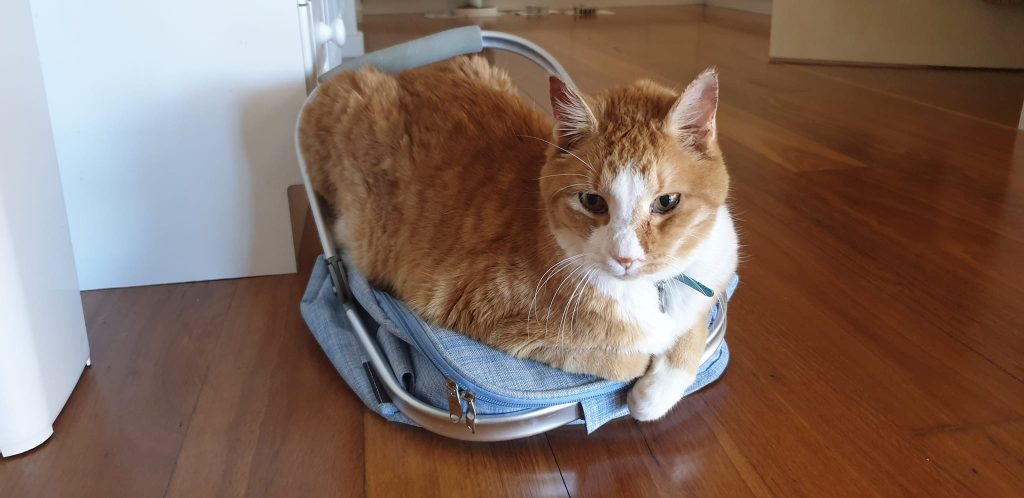
When Mr. Fry was diagnosed with kidney disease, we focused on giving him the best care to manage his condition and keep him comfortable.
His treatment included a prescription renal diet to support his kidneys, daily subcutaneous fluids to keep him hydrated, and a few carefully chosen supplements to help with his appetite and energy. Regular vet check-ups ensured we could adjust his care as needed.
We also made sure his days were filled with love and gentle routines, creating a calm and comforting environment where he could thrive for as long as possible. Despite the challenges, his resilience and gentle spirit were an inspiration.
Chronic Conditions in Senior Cats
Senior cats are prone to chronic conditions that require lifelong management. Here’s a quick guide to some of the most common issues:
1. Kidney Disease
Kidney disease is one of the most common ailments in older cats. Symptoms include increased thirst, frequent urination, weight loss, and a dull coat.
Management Tips:
- Switch to a kidney-friendly diet (low in protein and phosphorus).
- Provide plenty of fresh water or invest in a cat water fountain to encourage hydration.
- Regular vet check-ups for monitoring kidney function are essential.
2. Hyperthyroidism
This condition often presents as weight loss despite a healthy appetite. It can also cause hyperactivity and vomiting.
Management Tips:
- Daily medication or special diets can help manage thyroid hormone levels.
- In some cases, your vet might recommend a more permanent solution like radioactive iodine therapy.
3. Diabetes
Symptoms include increased thirst, weight loss, and lethargy.
Management Tips:
- Insulin injections (if prescribed by your vet).
- Consistent feeding schedules with a low-carb, high-protein diet.
- Regular blood glucose monitoring to keep levels stable.
Bronnie’s Journey: Facing feline infectious peritonitis (FIP)
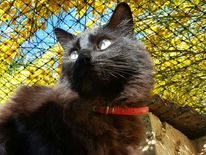
Bronnie’s journey was tragically brief, but it was filled with courage and love. When he contracted FIP, it felt like the world stood still. The days that followed were a whirlwind of hope and heartbreak as he bravely endured a challenging treatment process.
Despite the discomfort, Bronnie never lost the gentle spirit that made him so special. His passing, just a week after the diagnosis, left a hole in our hearts that can never truly be filled.
Yet, in those final moments, surrounded by love and the warmth of cherished memories, he reminded us of the unbreakable bond we shared. Bronnie’s time with us may have been cut short, but his legacy of loyalty, comfort, and love will always remain a part of our lives.
Practical Tips for Thriving in the Golden Years
- Regular Vet Visits: Annual check-ups should become biannual as your cat ages. Bloodwork, dental exams, and overall health assessments can catch issues early.
- Nutrition Adjustments: Older cats benefit from diets tailored to their needs, whether it’s a senior formula, low-calorie options, or therapeutic diets for specific conditions.
- Hydration is Key: Encourage hydration by offering water fountains or wet food, which is easier on aging kidneys.
- Maintain Comfort: Provide soft bedding, heated mats, and easy access to favourite resting spots.
Emotional Support and Bonding
Senior cats may become more dependent on your love and attention. Spending quality time together can alleviate their stress and strengthen your bond.

Things You Can Do:
- Grooming Sessions: Regular grooming not only keeps their coat healthy but also provides comfort and reassurance.
- Gentle Play: Tailor activities to their energy levels—soft toys or interactive laser pointers can keep them active.
- Cuddles and Quiet Time: Simply being present can provide a sense of security and love.
Saying Goodbye: A Heartfelt Reflection
End-of-life care is one of the hardest parts of having senior cats, but it’s also an opportunity to show them unconditional love.
When Mr. Fry’s kidney disease turned into more significant health challenges, and Bronnie’s FIP progressed to the point where he seemed listless and extremely unhappy, I knew it was time to make decisions out of love, not convenience.
Creating a peaceful environment, offering comfort, and being by their side as they crossed the rainbow bridge were my final gifts to them. It was painful, but it was also beautiful—a reflection of the bond we shared.
Honouring Their Legacy

Mr. Fry and Bronnie taught me so much about resilience, patience, and the power of love. Through their experiences, I’ve gained insights that I hope will help you navigate your own senior cat’s journey with confidence and compassion.
Senior cats may face unique challenges, but they also bring unmatched wisdom, loyalty, and love into our lives. With attentive care, you can help them thrive and ensure their golden years are filled with comfort and joy.
To all the Mr. Frys and Bronnies out there, and the humans who love them—you’re doing an incredible job. 💕
Closing Note: If you’re caring for a senior cat and have questions or need support, feel free to reach out or explore the resources on this site. Together, we can make every moment with our older feline friends as special as they deserve.


My 14-15 yr old cat was just diagnosed with e-coli in her kidneys on her senior wellness exam. Everything else was in normal range.
The doctor said she has e-coli in her kidneys. He prescribed Orbifloxacin once a day for a month and then retested. The only symptoms I’ve noticed is a loss of weight slowly but surely. The doctor also recommended Purina Hydracare for additional nutrition.
Anybody out there who is familiar with this problem?
Hey there! Sorry to hear about your cat, but it’s great you caught it early. E. coli in the kidneys usually comes from a UTI that traveled up. Orbifloxacin is a good antibiotic for this, so you’re on the right track.
The weight loss could be from the infection, and the Purina Hydracare is a great idea to keep her hydrated and boost her nutrition. Just make sure to finish the full course of meds and follow up with the retest.
Please contact your local vet as our advice is based on non-professional advice. I hope we helped you understand what your cat’s issues are.
Anyone else had experience with this? Tips for helping a senior cat recover?