Top 5 Common Health Issues in Senior Cats and How Vets Can Help
As our beloved feline friends age, they often face a variety of 5 health issues in senior cats that require special attention and care. Since cats are masters at hiding discomfort, it’s essential for us as their guardians to remain vigilant. Drawing from my personal experiences with my senior cats—Miss Holley, Mr. Fry, and Bronnie—I want to share insights into five common health issues in senior cats, how veterinarians can assist, and what you can do at home to help your furry family member enjoy their golden years with comfort and happiness.
1. Chronic Kidney Disease (CKD)
The Issue:
Chronic Kidney Disease is one of the most common conditions affecting senior cats. The kidneys gradually lose their ability to filter toxins from the blood, leading to symptoms like increased thirst and urination, weight loss, poor appetite, and vomiting.
Personal Insight:
Mr. Fry, my spirited senior boy, was diagnosed with CKD at age 12. Initially, I mistook his excessive drinking and frequent trips to the litter box for minor behavioral quirks. A routine vet check revealed the early stages of CKD, underscoring how vital regular vet visits are.
How Vets Help:
Vets use blood and urine tests to diagnose CKD and monitor its progression. Once diagnosed, they recommend treatments like prescription renal diets, hydration therapy, and medications to manage symptoms and support kidney function. In Mr. Fry’s case, switching to a renal diet and receiving subcutaneous fluids made a noticeable difference in his energy levels.
At-Home Tips:
Schedule regular wellness check-ups—early diagnosis is key!
Keep an eye out for increased water consumption and urination.
Monitor for signs of weight loss or a dull coat.
2. Hyperthyroidism
The Issue:
Hyperthyroidism is caused by an overactive thyroid gland, often leading to weight loss despite an increased appetite. You may also notice hyperactivity, excessive vocalization, and an unkempt coat.
Personal Insight:
Miss Holley developed hyperthyroidism at age 14. I remember how I initially found it amusing that she ate more than usual but continued to slim down. When her coat started looking scruffy, I knew something was off, and a vet visit confirmed the diagnosis.
How Vets Help:
Vets typically diagnose hyperthyroidism with a blood test to measure thyroid hormone levels. Treatment options include medications, a special iodine-restricted diet, or even radioactive iodine therapy, which can be curative. Holley thrived on a combination of medication and a tailored diet.
At-Home Tips:
- Watch for unexplained weight loss, especially if your cat has a healthy appetite.
- Take note of behavior changes like excessive activity or vocalizing.
- Discuss treatment options with your vet to find what works best for your cat.
3. Arthritis
The Issue:
Just like humans, cats can develop arthritis as they age, leading to stiffness, pain, and reduced mobility. Cats with arthritis may hesitate to jump, avoid stairs, or groom less due to discomfort.
Personal Insight:
Bronnie began showing signs of arthritis at 13. I noticed his reluctance to leap onto her favourite windowsill perch and how he began sleeping in lower spots. Watching him struggle broke my heart, but I found comfort in the treatments my vet provided.

How Vets Help:
Vets diagnose arthritis through physical exams and sometimes X-rays. They may recommend joint supplements, anti-inflammatory medications, or laser therapy to manage pain. My vet suggested adding a glucosamine supplement to Bronnie’s diet, which helped improve his mobility.
At-Home Tips:
- Provide soft, accessible bedding and ramps to favorite spots.
- Encourage gentle play to keep joints moving.
- Monitor for subtle changes like hesitance to jump or stiffness when walking.
4. Diabetes
The Issue:
Diabetes occurs when a cat’s body can’t properly regulate blood sugar levels, often leading to increased thirst, frequent urination, weight loss, and lethargy. Left untreated, it can cause severe complications.
Personal Insight:
While I haven’t personally dealt with diabetes in my cats, a close friend’s senior cat, Max, was diagnosed. Watching her dedication to managing his condition inspired me to learn more about this disease. She emphasized how teamwork with her vet made all the difference in Max’s quality of life.
How Vets Help:
Diagnosis involves blood and urine tests to measure glucose levels. Treatment may include a combination of insulin injections, a special diet, and regular blood sugar monitoring. Vets also teach pet owners how to administer injections and recognize signs of complications.
At-Home Tips:
- Stay alert for increased thirst, frequent urination, and unexplained weight loss.
- Follow your vet’s recommendations for diet and medication.
- Don’t hesitate to ask your vet for hands-on training if injections are needed—it gets easier with practice!

5. Dental Problems
The Issue:
Dental disease is common in senior cats and can lead to pain, difficulty eating, bad breath, and systemic infections. Issues like gingivitis, tooth resorption, and periodontal disease often go unnoticed without regular check-ups.
Personal Insight:
Miss Holley struggled with dental problems in her later years, and I distinctly remember the guilt I felt when her vet pointed out how much pain she must have been in. After a dental cleaning and extraction of a few bad teeth, her appetite and mood improved dramatically.
How Vets Help:
Vets perform dental exams to identify and treat issues. They may recommend professional cleanings or extractions for damaged teeth. Regular cleanings can prevent severe problems down the line.
At-Home Tips:
Never ignore signs of discomfort while eating—schedule a vet visit promptly.
Check your cat’s mouth for redness, swelling, or broken teeth.
Offer dental-friendly treats or toys to help reduce plaque.
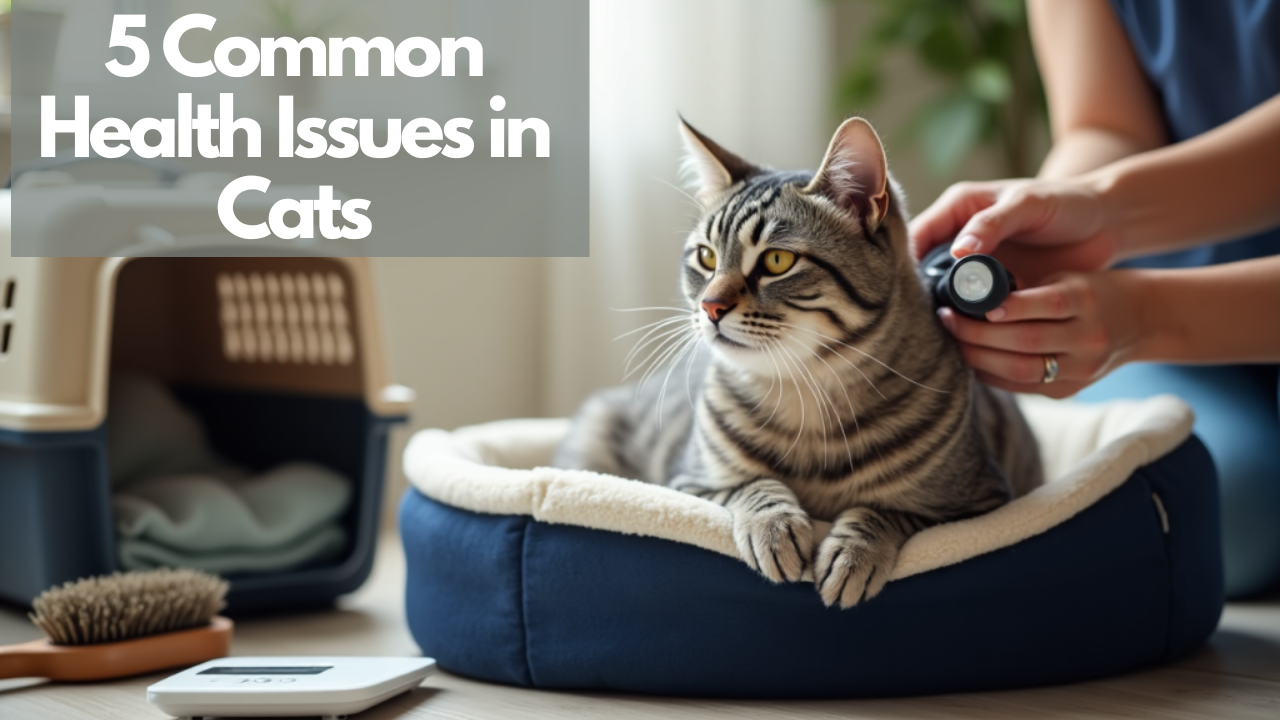
Senior cat check-ups often include routine diagnostic tests to identify underlying conditions.
Why Regular Vet Visits Are Essential
One of the most valuable lessons I’ve learned from caring for senior cats is the importance of routine vet visits. Cats age faster than humans, and changes in their health can happen quickly. Annual or biannual check-ups allow vets to catch problems early, before they become severe or harder to manage.
5 Health Issues in Senior Cats…Spotting Early Warning Signs at Home
Cats may not speak our language, but their behaviors and habits can tell us a lot about how they’re feeling. Keep an eye out for:
- Changes in appetite or weight.
- Increased thirst or urination.
- Changes in mobility or reluctance to jump.
- Lethargy or hiding more than usual.
- Grooming less or changes in coat condition.
How You Can Support Your Senior Cat
While vets play a crucial role in diagnosing and treating health issues, you also have a vital part to play in your cat’s care:
Monitoring: Keep a journal of any changes in behaviour, appetite, or litter box habits. Share these details with your vet.
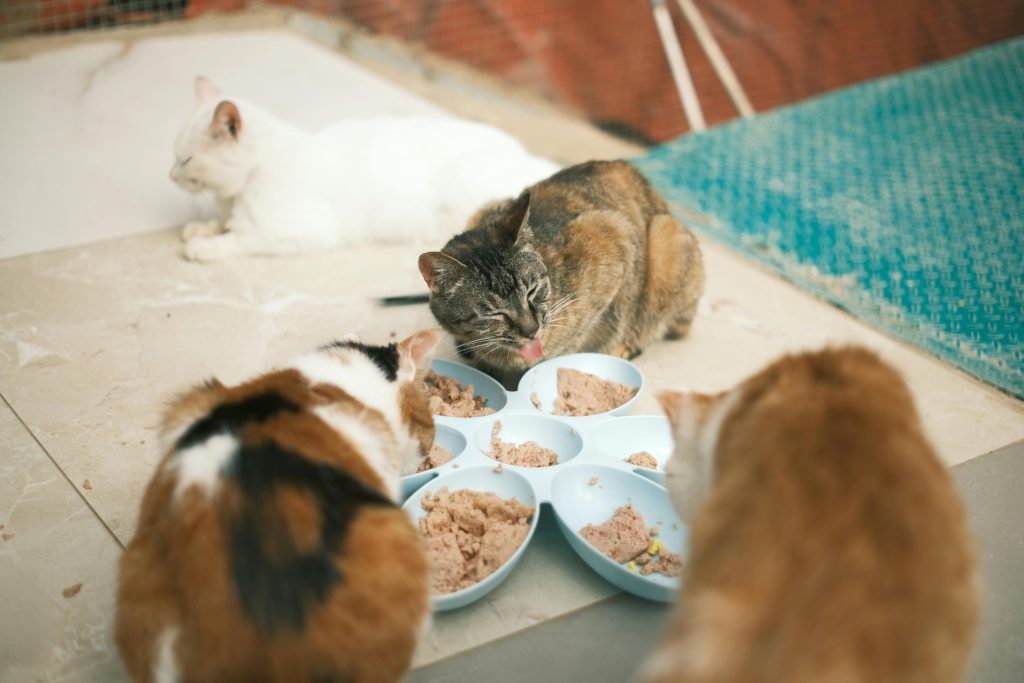
Nutrition: Provide a diet tailored to your cat’s age and any health conditions.
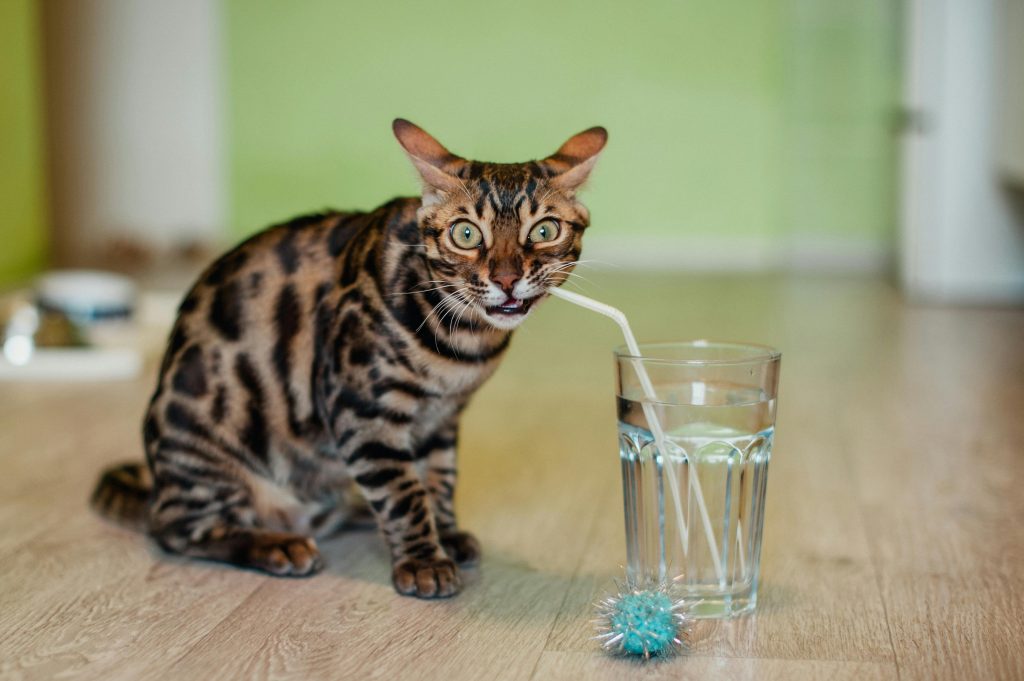
Hydration: Ensure fresh water is always available and consider adding wet food to their diet for extra hydration.
Comfort: Make your home senior-cat-friendly with soft bedding, ramps, and accessible litter boxes.
Conclusion
Caring for senior cats comes with its challenges, but the love and companionship they offer make it all worthwhile. From CKD to dental issues, each condition highlights the importance of regular cat vet care and early intervention. My experiences with Miss Holley, Mr. Fry, and Bronnie taught me that we can help our senior cats age gracefully by staying attentive and proactive.
If you notice any changes in your senior cat’s behavior or health, don’t hesitate to consult your vet. Together, you can create a care plan that keeps your feline companion purring happily for years to come.
Remember, every senior cat deserves a comfortable and dignified life, and your dedication as their guardian can make all the difference.