
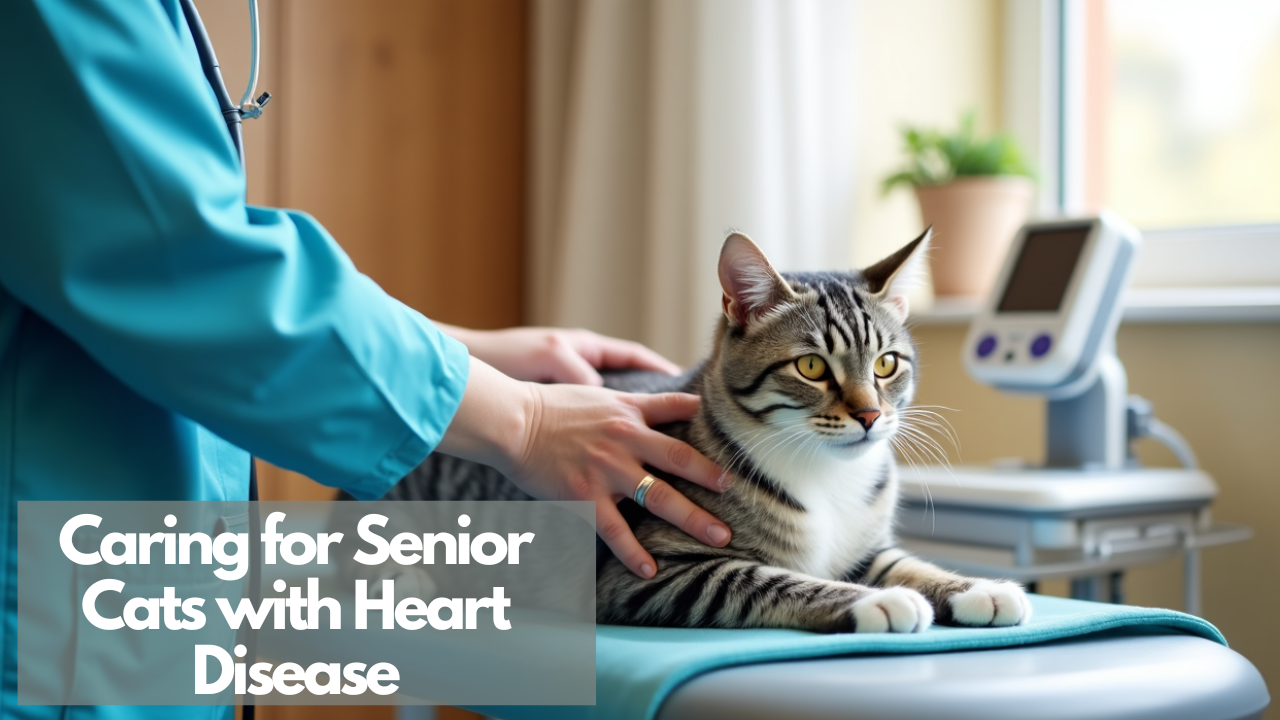
Understanding Heart Disease in Senior Cats
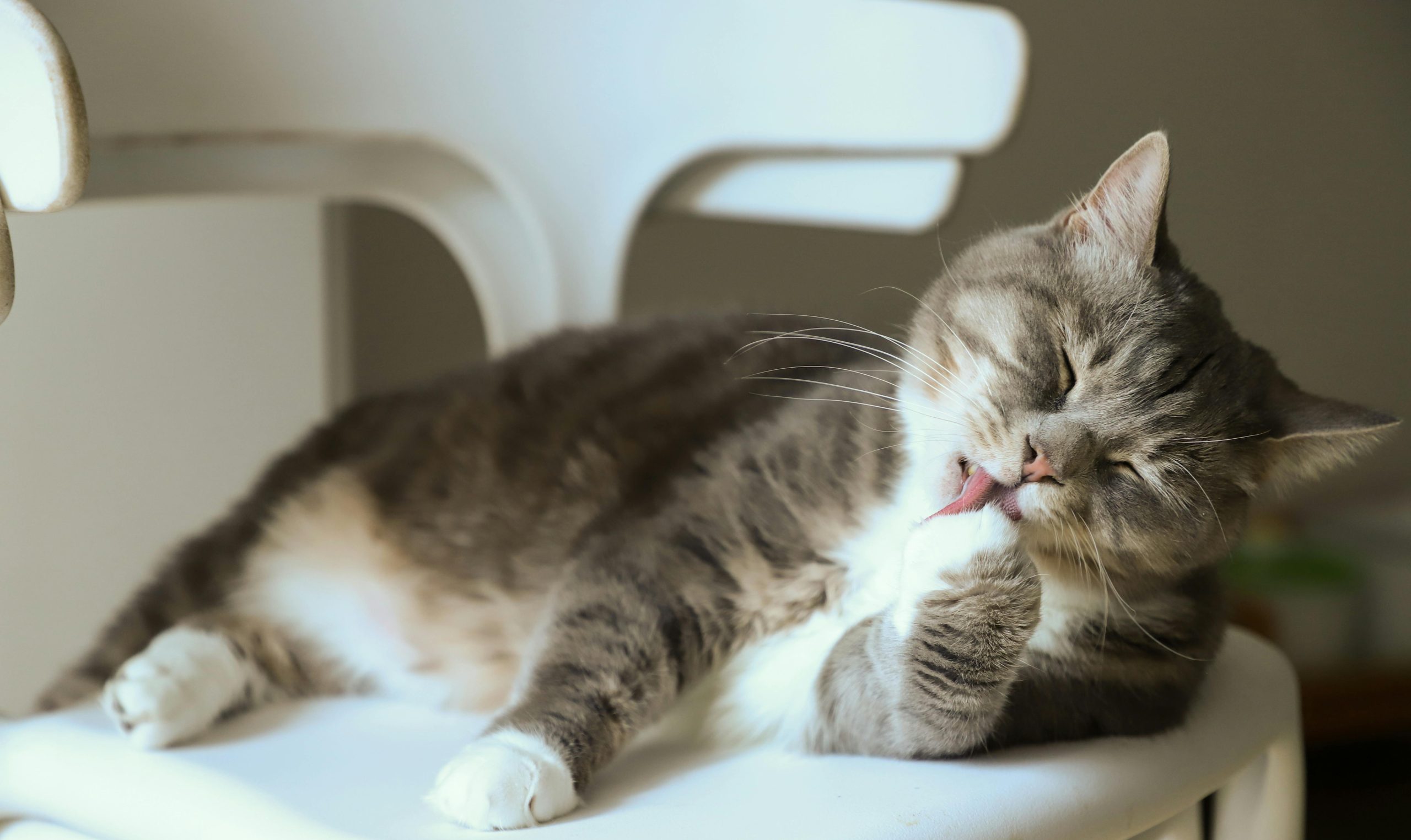
Caring for senior cats is always a journey of love and patience, but when heart disease enters the picture, it requires an extra layer of dedication. I’ve been down this road with one of my beloved senior cats—Miss Holley. Her unique personalities taught me invaluable lessons about handling heart disease in our feline friends. I hope sharing her story and the knowledge I gained will help you navigate this path with your cat.
Heart disease in senior cats can range from congenital conditions to issues that develop as they age, such as hypertrophic cardiomyopathy (HCM), which is the most common form. Unlike dogs, cats are masters at hiding their symptoms until the disease progresses significantly. That’s why early detection and proactive care are so vital.
Key Symptoms to Watch For
From my experiences with Miss Holley, I learned how to spot the subtle signs of heart disease. If your senior cat shows any of the following symptoms, a vet visit is essential:
- Changes in Breathing
- Miss Holley began breathing faster than usual, even while resting. Increased respiratory rate is often one of the first signs of heart disease.
- Look out for labored breathing or panting, as this could indicate fluid buildup in the lungs due to congestive heart failure.
- Lethargy and Weakness
- Miss Holley was always an active and curious soul, started showing signs of fatigue. She slept more than usual and seemed uninterested in her favourite sunny spots.
- Cats with heart disease may tire easily because their heart struggles to pump blood efficiently.
- Loss of Appetite
- Miss Holley, my foodie of the group, suddenly became picky about meals. A reduced appetite can signal many issues, but with heart disease, it often stems from discomfort or difficulty breathing.
- Weight Changes
- Weight loss is common due to reduced appetite, but some cats with heart disease may develop a bloated abdomen (ascites) due to fluid retention.
- Collapse or Fainting Spells
- Though rare, a collapse or fainting episode can occur. It’s a red flag that the heart isn’t pumping blood properly.
Diagnosis: What to Expect
If you notice any of these symptoms, your vet will likely recommend tests to diagnose heart disease. With each of my cats, this process involved:
- Physical Exams: The vet checked for heart murmurs or irregular heartbeats.
- X-rays: Helped detect fluid buildup in Miss Holley’s lungs.
- Echocardiograms: Provided a detailed view of Miss Holley’s heart structure and function.
- Blood Tests: Checked for markers of heart strain and related conditions, like hyperthyroidism, which Miss Holley also developed.
Heart Disease in Senior Cats and How To Provide Care
Once diagnosed, heart disease isn’t necessarily a death sentence. With the right care and adjustments, you can ensure your cat continues to enjoy a good quality of life. Here’s how I managed day-to-day care for my Holley.
1. Medications
Medication was a cornerstone of treatment for all three of my cats. Your vet will prescribe drugs tailored to your cat’s condition. These might include:
- Diuretics: To reduce fluid buildup in the lungs or abdomen. Bronnie took these, and it significantly improved her breathing.
- ACE Inhibitors: Helped lower blood pressure and eased the workload on Miss Holley’s heart.
- Beta-Blockers: Regulated Mr. Fry’s heart rate, making him more comfortable.
Administering pills can be tricky. I had the most success using pill pockets or crushing tablets (with vet approval) and mixing them into a bit of tuna water.
2. Monitoring at Home
Regular monitoring helped me catch early warning signs of deterioration:
- Track Respiratory Rate: I got into the habit of counting breaths per minute when my cats were resting. Anything over 30 breaths per minute was a signal to call the vet.
- Check for Subtle Changes: Reduced appetite, reluctance to climb stairs, or sleeping in unusual spots often meant it was time for a vet check-up.
3. Adjusting Their Environment
Creating a low-stress, comfortable environment was crucial:
- Easy Access to Essentials: I moved litter boxes, water bowls, and beds to areas where my cats didn’t have to climb stairs.
- Comfortable Temperatures: Cats with heart disease can be sensitive to extreme temperatures, so I kept their spaces warm in winter and cool in summer.
- Quiet Spaces: Stress can exacerbate heart issues, so I ensured they had quiet corners to retreat to during loud events or visits from guests.
4. Diet and Nutrition
Feeding a cat with heart disease requires a bit of adjustment:
- Low-Sodium Diets: Sodium can worsen fluid retention. I switched Bronnie and Miss Holley to prescription heart diets recommended by their vet.
- Small, Frequent Meals: Mr. Fry seemed to do better with smaller portions, as large meals sometimes made him uncomfortable.
- Supplements: Under veterinary guidance, I introduced omega-3 fatty acids and taurine supplements, which can support heart health.
5. Hydration
Heart disease can lead to dehydration, especially if your cat is on diuretics. Encouraging hydration was key:
Broth Treats: Occasionally, I’d offer plain chicken broth (no onions or garlic) as a hydrating treat.
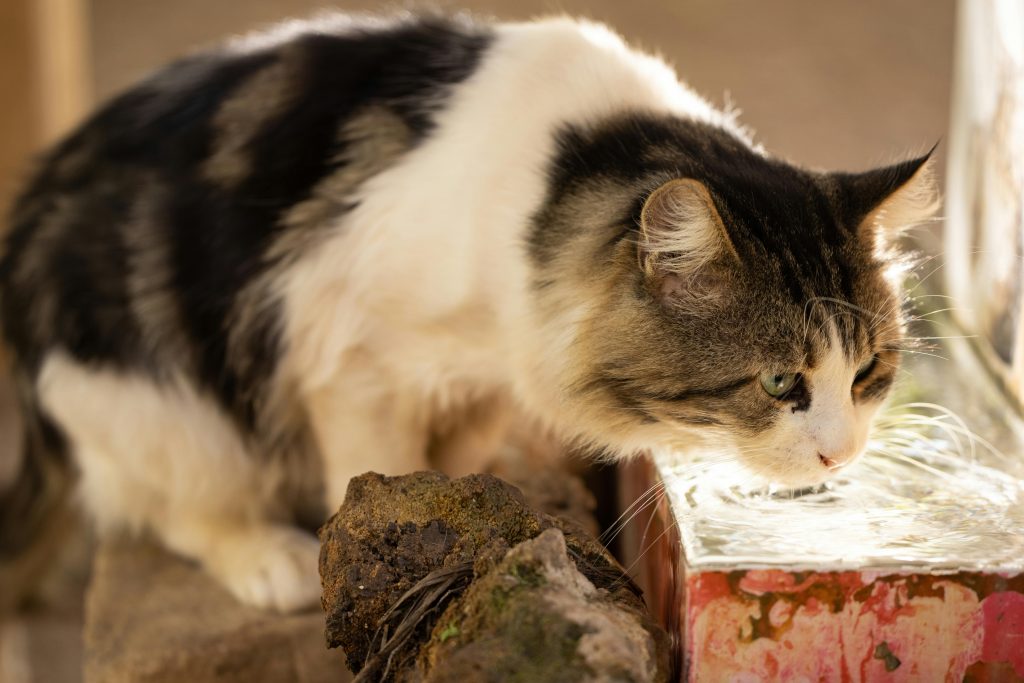
Water Fountains: These were a hit with all three of my cats and helped ensure they drank enough.
Wet Food: Incorporating wet food into their diet provided extra moisture.
Building a Strong Vet Partnership
A trusted vet is your best ally in managing heart disease. Regular check-ups allowed us to adjust medications and stay ahead of complications. I also made a point of asking plenty of questions, like:
- How can I recognize an emergency?
- Are there alternative medications if one isn’t well-tolerated?
- What lifestyle changes will most benefit my cat?
Providing Emotional Support
Caring for a cat with heart disease can be emotionally taxing, but it’s also deeply rewarding. Bonding with my cats during their senior years created some of my most cherished memories. Here’s what I learned about emotional support:
- Be Present: Whether it was Miss Holley curling up in my lap or Mr. Fry insisting on belly rubs, giving them my time was invaluable.
- Celebrate Small Wins: Miss Holley’s tail flick of approval after a meal or a playful swat at a toy became moments of joy.
- Stay Calm: Cats are sensitive to our emotions. When I stayed calm and composed, it helped them feel secure, even during stressful times.
When the Time Comes
Despite the best care, heart disease may eventually progress to a point where your cat’s quality of life diminishes. Making the decision to say goodbye is never easy, but it’s the last, loving gift you can give. I said my goodbyes to Miss Holley, Mr. Fry, and Bronnie with the help of a compassionate vet who guided me through the process.
Cherish Final Moments: Spend as much time as you can with your cat, offering comfort and love.
Assess Quality of Life: Tools like the HHHHHMM Scale (Hurt, Hunger, Hydration, Hygiene, Happiness, Mobility, and More Good Days than Bad) helped me make objective decisions.
Final Thoughts
Heart disease in senior cats is a challenge, but with love, patience, and informed care, you can make their journey as comfortable as possible. Miss Holley, Mr. Fry, and Bronnie taught me that even in the face of illness, our furry companions can experience joy, comfort, and connection.
If your senior cat has been diagnosed with heart disease, remember that you’re not alone. Reach out to your vet, lean on fellow cat lovers, and most importantly, trust in the bond you share with your cat—it will guide you through every decision and moment.
By sharing this journey, I hope to honour the memory of my three cherished cats and help others navigate the path of caring for a senior cat with heart disease.


